Indonesia
 English
 Arabic
 French
 Spanish
 Portuguese
 Deutsch
 Turkish
 Dutch
 Italiano
 Russian
 Romaian
 Portuguese (Brazil)
 Greek
A Complete Guide to Online Reputation Management
Networking |
2026-03-18 11:14:29
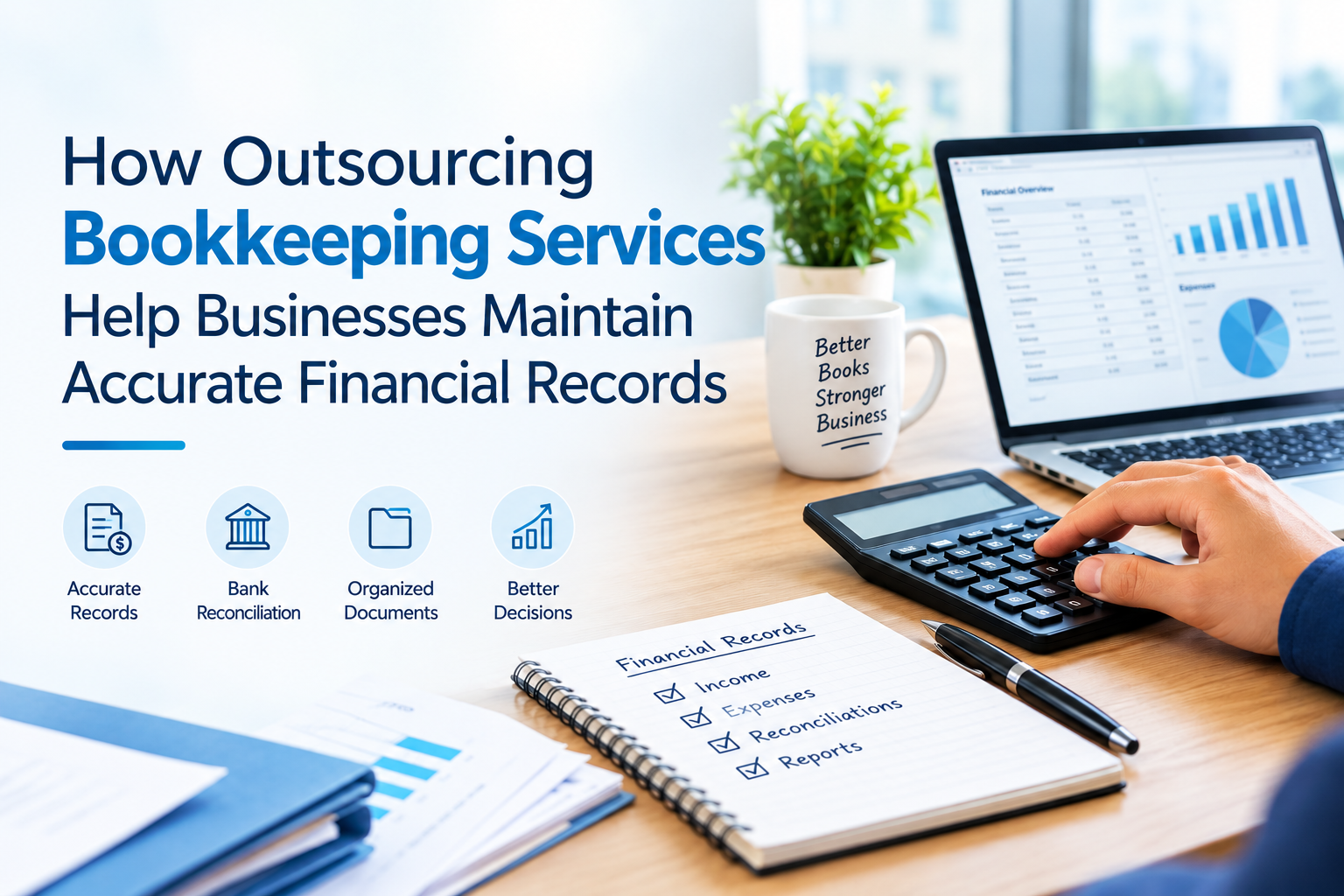
Accurate financial records help businesses monitor cash flow, evaluate performance, and prepare for tax obligations. However, recording transactions, reconciling accounts, and organizing financial documents can become challenging as business operations grow. Missing entries and inconsistent records may lead to reporting errors and make financial decisions more difficult.
Outsourcing bookkeeping services helps businesses maintain organized financial records by delegating routine bookkeeping tasks to experienced professionals. This approach allows business owners and accounting teams to manage their financial information more consistently while focusing on core business activities.
What Are Outsourcing Bookkeeping Services?
Outsourcing bookkeeping services involves assigning financial recordkeeping activities to an external service provider. Depending on business requirements, these services may include:
These services can benefit small and medium-sized businesses, CPA firms, and accounting firms that need additional bookkeeping support.
How Outsourcing Bookkeeping Services Improve Accuracy
1. Consistent Transaction Recording
Delayed transaction entries can result in incomplete financial records. Outsourced bookkeeping professionals help maintain regular recording schedules, ensuring that income, expenses, and payments are documented promptly. Consistent updates make it easier to review financial activity and identify missing information.
2. Regular Bank Reconciliation
Bank reconciliation involves comparing accounting records with bank statements to identify discrepancies. These differences may result from duplicate entries, missing transactions, bank fees, or incorrectly recorded amounts.
Regular reconciliations help businesses investigate discrepancies and maintain more reliable financial records.
3. Organized Financial Documentation
Invoices, receipts, purchase orders, and payment confirmations provide evidence for recorded transactions. Keeping these documents organized makes financial information easier to verify and access when needed.
Outsourced bookkeeping support can help establish consistent documentation practices, making financial reviews and tax preparation more manageable.
4. Early Identification of Errors
Incorrect expense classifications, duplicate transactions, and inaccurate payment entries can affect financial reports. Routine bookkeeping reviews help identify these issues before they create larger reporting problems.
Although outsourcing cannot eliminate every error, standardized procedures and regular checks can improve recordkeeping consistency.
Key Benefits of Outsourced Bookkeeping for Businesses
Beyond improving record accuracy, outsourcing offers several practical advantages.
These benefits depend on the provider's capabilities, the quality of the information supplied, and the effectiveness of review procedures.
How to Choose the Right Bookkeeping Outsourcing Partner
Selecting a suitable provider requires careful evaluation. Businesses should consider the following factors:
Defining responsibilities from the beginning helps businesses maintain oversight and develop a productive working relationship with their bookkeeping provider.
How CapActix Business Solutions Supports Bookkeeping Needs
CapActix Business Solutions provides offshore finance and accounting support to CPA firms, accounting firms, and SMEs across the USA. Its services include bookkeeping assistance, transaction recording, bank reconciliations, and accounts payable and receivable support, depending on client requirements.
Businesses seeking additional bookkeeping support can explore CapActix Business Solutions' accounting outsourcing services to learn more about available solutions.
Conclusion
Maintaining accurate financial records requires consistent transaction recording, regular reconciliations, organized documentation, and timely reviews. Outsourcing bookkeeping services can help businesses strengthen these processes while reducing routine administrative workloads.
With clearly defined procedures and appropriate oversight, businesses can maintain more reliable financial information and make better-informed decisions. CapActix Business Solutions offers accounting support to help businesses and accounting professionals manage their bookkeeping requirements more efficiently.