Indonesia
 English
 Arabic
 French
 Spanish
 Portuguese
 Deutsch
 Turkish
 Dutch
 Italiano
 Russian
 Romaian
 Portuguese (Brazil)
 Greek
Construction Project Cash Flow Forecasting: How to Identify Financial Pressure Before It Hits Your Business
Other |
2026-10-27 12:51:49
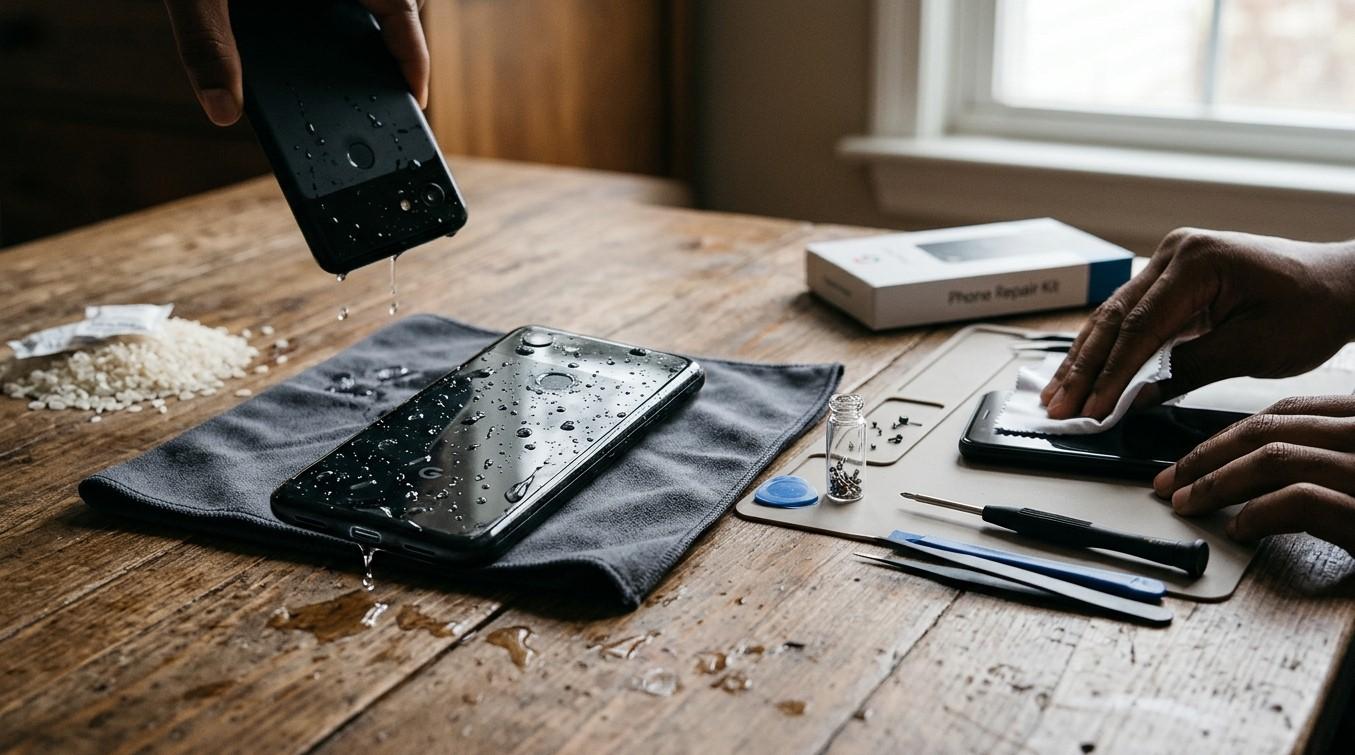
Water can damage a smartphone in seconds, potentially affecting its display, battery, charging port, speakers, and internal components. Whether your phone gets splashed, dropped into water, or exposed to heavy rain, taking the right steps immediately can help reduce the risk of further damage. MyRepairStore helps customers explore solutions for common smartphone problems, including options for people searching for the best cell phone repair in Indian Trail or reliable cell phone repair Indian Trail services.
What Happens When a Phone Gets Wet?
What to Do Immediately After Water Damage
What You Should Avoid
Signs Your Phone Needs Professional Repair
How to Prevent Phone Water Damage
Frequently Asked Questions
Conclusion and Call to Action
Water can interfere with the electrical components inside a smartphone. Even if the phone continues working after getting wet, moisture may remain inside and cause problems later.
Common issues include:
Screen problems: The display may flicker, show unusual lines, or stop responding to touch.
Charging difficulties: Moisture in the charging port may prevent safe charging.
Speaker and microphone issues: Sound may become muffled or distorted.
Battery problems: The phone may behave unusually or fail to power on.
Internal corrosion: Moisture can damage electrical connections over time.
Some phones have water-resistance ratings, but water resistance is not the same as being waterproof. Protection can weaken with age, drops, or wear.
Acting carefully after liquid exposure may help protect your phone and its data.
If your phone is on and can be switched off safely, turn it off as soon as possible. If it has already shut down, do not repeatedly try to power it on. Electricity passing through wet components may increase the risk of damage.
Unplug the charging cable and remove connected accessories. Never charge a wet phone, particularly if there is moisture around the charging port. Wait until the device is confirmed dry before attempting to charge it.
Remove the protective case, unplug accessories, and take out the SIM tray if it can be removed safely. Wipe the outside gently with a soft, lint-free cloth.
Do not open the phone or remove its battery unless the device is specifically designed for safe user battery removal and you can follow the manufacturer's instructions.
Place the phone in a dry area with good airflow. Avoid using heat to speed up drying. If liquid may have entered the device, professional inspection is safer than assuming the phone is dry because its exterior feels dry.
If the phone was submerged, exposed to salt water or sugary drinks, or begins showing unusual behavior, arrange a professional assessment promptly. Salt and other residues can be especially damaging to internal components.
Some popular drying methods can make water damage worse. Avoid these common mistakes:
Do not put your phone in rice. Rice is not a reliable way to remove internal moisture and may introduce dust or debris.
Do not use a hair dryer or heater. Excessive heat can damage the screen, battery, and seals.
Do not insert objects into the charging port. Pins, tissues, and cotton swabs can damage the connector.
Do not repeatedly press buttons or restart the phone. Avoid unnecessary attempts to power it on.
Do not charge the device while it may still be wet. Charging can create additional electrical risks.
Do not assume everything is fine because the phone works. Moisture-related damage may appear later.
Following these precautions can help prevent an already damaged device from developing additional problems.
Some water-damaged phones recover after appropriate drying, but others need internal cleaning or component replacement. Consider professional repair if you notice:
The phone will not turn on.
The screen flickers or does not respond.
The charging port stops working.
The speaker or microphone sounds different.
The device repeatedly restarts or shuts down.
The camera lens appears foggy internally.
The phone becomes unusually hot or behaves unpredictably.
If the phone becomes unusually hot, swells, or produces smoke, stop handling or charging it and move away from it. Seek appropriate emergency assistance if needed.
A repair technician can inspect the device and determine whether the problem involves the charging port, battery, display, or internal circuitry. Ask for a diagnosis and estimate before approving repairs.
For people comparing options for the best cell phone repair in Indian Trail, useful factors include repair experience, customer reviews, warranty coverage, replacement-part quality, and clear pricing. MyRepairStore is a resource for exploring smartphone repair options, including cell phone repair Indian Trail services.
Although accidents can happen, a few precautions can reduce your phone's exposure to liquids.
Use a suitable protective case.
Keep your phone away from sinks, pools, and wet surfaces.
Avoid using it in heavy rain unless its protection is appropriate for the conditions.
Check your manufacturer's water-resistance guidance.
Never assume an older phone retains its original water resistance.
Back up important photos, contacts, and files regularly.
A backup is especially useful because water damage can sometimes make data inaccessible, even when repairing the phone is possible.
Yes, some water-damaged phones can be repaired. The outcome depends on how much liquid entered the device, what type of liquid it was, and which components were affected.
Do not charge it while moisture may remain. Follow the manufacturer's guidance for drying the device and its charging port. If it was submerged or shows signs of internal damage, seek professional advice before charging it.
It may, but continued operation does not guarantee that the internal components are undamaged. Turn it off, avoid charging it, and arrange an inspection if liquid may have entered the device.
No. Rice is not a dependable solution for removing moisture from inside a phone. A dry, ventilated location and professional assessment when needed are safer choices.
That depends on the repair cost, the phone's age, the extent of the damage, and whether important components still work. A professional diagnosis can help you compare your options.
Phone water damage can affect more than the display, and problems may appear even after the device seems to recover. Turn the phone off, disconnect accessories, avoid charging it, and never use rice or direct heat as a drying method. If you suspect internal moisture, professional inspection can help identify the damage before it becomes more serious. MyRepairStore can help you explore available solutions if you are looking for the best cell phone repair in Indian Trail or dependable cell phone repair Indian Trail services.
Has your phone been exposed to water? Visit MyRepairStore to explore device repair options and get information about possible solutions. You can also visit the cell phone repair service page to learn more about your next steps.