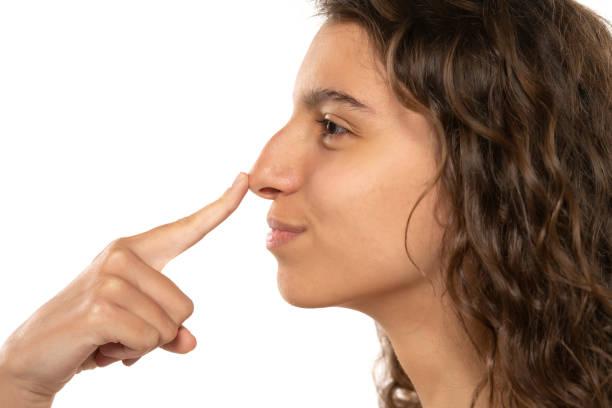
Rhinoplasty is one of the most requested facial procedures worldwide, and for good reason. It can refine appearance, improve breathing, and produce results that last for decades. Rhinoplasty in Riyadh (عملية تجميل الأنف في الرياض) Yet it is also one of the most technically demanding operations in aesthetic surgery, and its safety depends on far more than the surgeon's reputation. Informed consent requires understanding three things clearly: the risks, the benefits, and the limitations. Understanding Rhinoplasty in Riyadh properly means understanding all three, so your decision rests on reality rather than hope.
Why Safety Deserves This Level of Attention
The Nose Is Functionally Complex
Beyond appearance, the nose governs breathing. Complications can affect sleep, exercise, and daily comfort.
Results Are Permanent
Unlike injectables, rhinoplasty is surgical and lasting. Poor outcomes are difficult to conceal and complex to revise.
Revision Is More Difficult Than Primary Surgery
Scar tissue, altered anatomy, and compromised blood supply make revision more challenging and less predictable.
Patient Expectations Are High
Rhinoplasty is often a highly anticipated procedure. Disappointment has significant emotional impact.
Why This Matters
Anyone researching Rhinoplasty in Riyadh should treat safety as the foundation of every decision.
Understanding the Risks
General Surgical Risks
Bleeding, infection, anaesthesia reactions, and blood clots are possible with any surgery, though thorough screening and accredited facilities reduce these substantially.
Rhinoplasty-Specific Risks
Asymmetry, over-resection, under-resection, pollybeak deformity, nasal valve collapse, septal perforation, tip irregularities, and skin necrosis are specific to nasal surgery.
Functional Risks
Breathing problems can occur if the airway is not adequately preserved or if healing narrows the nasal passages.
Healing Variability
Swelling, scarring, and tissue settling vary between individuals. Some asymmetry and irregularity are normal.
Revision Risk
A proportion of patients require revision for refinement. Understanding revision policy before surgery matters.
Why This Matters
Risk awareness allows early recognition and appropriate response.
Understanding the Benefits
Aesthetic Improvement
Rhinoplasty can refine profile, tip definition, bridge width, and overall facial harmony.
Functional Improvement
Correcting septal deviation, widening narrow areas, or reducing turbinates can significantly improve breathing.
Long-Lasting Results
Unlike injectables, rhinoplasty results are permanent.
Psychological Benefits
Many patients report improved confidence, comfort in photographs, and greater ease in social situations.
Combined Goals
Many procedures address both appearance and function simultaneously.
Why This Matters
Benefits are real, but they should be understood within the context of limitations.
Understanding the Limitations
Perfect Symmetry Is Not Achievable
Every face has natural asymmetry. Surgery refines rather than perfects.
Scarring Is Inevitable
Incisions are placed inside the nose or along natural creases, but scars remain permanent, though they fade considerably.
Healing Takes Twelve Months
Final results emerge gradually. Judging too early leads to unnecessary disappointment.
Revision May Be Needed
Some patients require revision for refinement. This is a recognised part of rhinoplasty practice.
Not Every Concern Can Be Corrected
Some structural issues are difficult to fully resolve, particularly in revision cases.
Results Reflect Your Anatomy
Your result will reflect your unique structure, not someone else's.
Why This Matters
Understanding limitations protects satisfaction and prevents unnecessary revision requests.
What Makes Rhinoplasty Safer
Qualified Surgeons
Board certification, specific training, and high procedure volume all reduce risk.
Accredited Facilities
Proper monitoring, sterilisation, and emergency protocols matter.
Thorough Pre-Operative Assessment
Medical history review, medication adjustments, and airway assessment identify risks before surgery.
Appropriate Technique Selection
Matching technique to anatomy and goals improves outcomes and reduces complications.
Structured Aftercare
Clear instructions, scheduled follow-ups, and accessible communication support recovery.
Patient Cooperation
Honest disclosure, following instructions, and reporting concerns promptly all contribute to safety.
Why This Matters
Safety is a partnership between surgeon and patient. A Best Rhinoplasty Surgeon in Riyadh will prioritise both.
Preparing for Surgery Safely
Disclose All Medications
Blood thinners, supplements, and medications affecting healing must be reported.
Stop Smoking
Nicotine severely impairs healing. Most surgeons require cessation well before and after surgery.
Complete Pre-Operative Testing
Blood work, medical clearance, and any imaging required must be completed.
Arrange Support
Transport home and assistance during the first days are essential.
Plan for Recovery
Time off work, easy meals, and a comfortable recovery space all support healing.
Why This Matters
Preparation reduces risk and supports smoother recovery.
Recognising Problems Early
Excessive Bleeding
Bleeding that does not stop requires prompt attention.
Signs of Infection
Increasing redness, warmth, discharge, or fever require assessment.
Breathing Difficulty
Persistent or worsening breathing problems should be evaluated.
Severe Pain
Pain that intensifies rather than improves warrants attention.
Skin Discolouration
Darkening, blistering, or blackening requires immediate assessment.
Why This Matters
Early recognition resolves most complications quickly.
Questions to Ask Your Surgeon
What Are the Specific Risks for My Case?
Request honest discussion rather than generic reassurance.
What Results Are Realistic for My Anatomy?
Ask for assessment specific to your structure and skin.
How Do You Preserve Breathing Function?
Expect a detailed answer about airway assessment and structural support.
What Is Your Revision Policy?
Understand what happens if refinement is needed.
What Signs Should I Watch For?
Ask specifically about warning signs requiring attention.
Why This Matters
Informed patients make better decisions and experience fewer regrets.
Red Flags That Suggest Unsafe Practice
Refusal to Discuss Risks
Reluctance to address complications honestly is a serious warning sign.
Promises of Perfection
No surgeon can guarantee perfect results or zero complications.
Pressure to Book Immediately
Genuine consultation allows time for reflection.
No Discussion of Testing
Underlying conditions must be identified before surgery.
Unaccredited Facilities
Surgery performed without proper monitoring or emergency protocols carries unnecessary risk.
Why This Matters
Recognising red flags protects your health.
Final Thoughts: Informed, Not Fearful
Rhinoplasty is a safe, effective procedure when performed by qualified surgeons in accredited facilities with thorough preparation and diligent aftercare. Risks exist, benefits are real, and limitations are inherent. Understand Rhinoplasty in Riyadh as a decision grounded in honest information, and your treatment will rest on informed confidence rather than hope alone.
For those seeking expert guidance and customized aesthetic care, you can book an appointment consultation at the 'Enfield Royal Riyadh(إنفيلد رويال الرياض).
FAQs
Is rhinoplasty safe?
Yes, when performed by qualified surgeons in accredited facilities with thorough preparation and aftercare.
What are the main risks?
Bleeding, infection, asymmetry, breathing problems, scarring, and revision are the primary considerations.
Can rhinoplasty improve breathing?
Yes, correcting septal deviation or widening narrow areas can significantly improve airflow.
Will my nose be perfectly symmetrical?
No, perfect symmetry is not achievable. Every face has natural asymmetry.
How can I reduce my risk?
Choose a qualified surgeon, disclose all medications, stop smoking, and follow aftercare precisely.
 Indonesia
 English
 Arabic
 French
 Spanish
 Portuguese
 Deutsch
 Turkish
 Dutch
 Italiano
 Russian
 Romaian
 Portuguese (Brazil)
 Greek