Indonesia
 English
 Arabic
 French
 Spanish
 Portuguese
 Deutsch
 Turkish
 Dutch
 Italiano
 Russian
 Romaian
 Portuguese (Brazil)
 Greek
Trapstar Shorts to Switch Up Your Everyday Clothing
Shopping |
2026-10-28 08:25:57
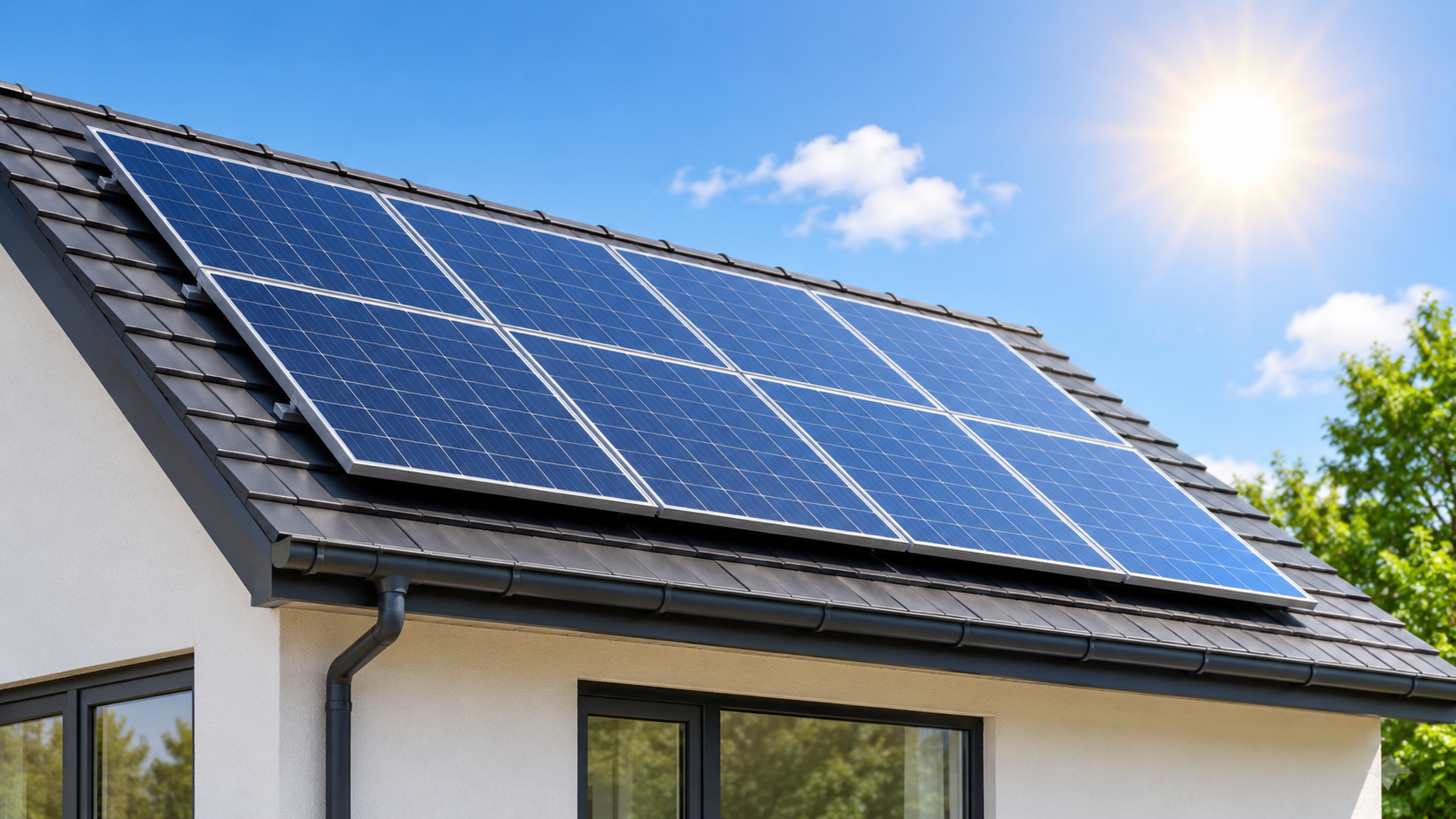
With rising electricity costs and growing interest in renewable energy, many homeowners are asking: Are solar panels worth it? Solar panels have become a popular home improvement investment across the UK, helping households generate their own electricity, reduce energy bills and lower their carbon footprint.
However, installing solar panels requires an initial investment, so it is important to understand the costs, benefits and long-term savings before making a decision.
In this guide, ERD Ltd explores whether solar panels are a worthwhile investment for UK homeowners and what you should consider before installation.
Solar panels use photovoltaic (PV) technology to convert sunlight into electricity. They are usually installed on rooftops where they can receive natural daylight throughout the day.
The electricity generated can power household appliances, lighting, heating controls and other electrical equipment. Any surplus electricity can either be stored in a solar battery or exported to the national grid through an eligible energy export tariff.
Solar panels can still generate electricity on cloudy days, although their output is generally higher in direct sunlight.
The installation cost is one of the most important factors when deciding whether solar panels are worth it.
According to the Energy Saving Trust, a typical domestic solar panel system of approximately 4.5kWp costs around £7,600. However, the final price depends on several factors, including:
The number and quality of solar panels.
The size of the solar energy system.
Roof condition, structure and accessibility.
Installation complexity and scaffolding requirements.
Whether you choose to include a battery storage system.
Additional electrical work and equipment.
Although the initial cost may seem high, solar panels can provide financial benefits over many years.
One of the biggest advantages of solar panels is the potential to reduce household electricity bills.
When your panels generate electricity, you can use that energy instead of purchasing the same amount from your electricity supplier. This can make a noticeable difference to your monthly expenses.
Your potential savings depend on:
How much electricity your household consumes.
How much solar electricity you use directly.
The size and efficiency of your system.
Your electricity tariff.
The amount of sunlight your property receives.
Homeowners who use more electricity during daylight hours may benefit more because they can consume the energy while it is being generated.
The Smart Export Guarantee (SEG) allows eligible homeowners to receive payments for surplus electricity exported to the grid.
For example, if your solar panels generate more electricity than your household needs, the unused energy can be exported to an electricity supplier offering an SEG tariff.
The payment rates vary between suppliers, so comparing available tariffs is important.
To qualify, your installation generally needs to meet the relevant certification requirements, and you must arrange an eligible export tariff.
This provides another opportunity to improve the financial return from your solar panel investment.
Solar panels are a long-term investment rather than an immediate money-saving solution.
According to Energy Saving Trust estimates based on July 2026 energy prices, the typical payback period for a household solar system with export payments can be approximately:
London: 9 years.
Manchester: 10–11 years.
Aberystwyth: 9–10 years.
Stirling: 11–12 years.
These are estimated figures rather than guaranteed results. Your actual payback period will depend on installation costs, electricity prices, system performance and export payments.
Solar panels can continue generating electricity for many years after recovering their initial installation cost.
Solar panels offer several advantages beyond reducing electricity expenses.
Lower Energy Bills: Generating your own electricity can reduce your dependence on the national grid.
Renewable Energy: Solar power is a renewable energy source that helps reduce reliance on fossil fuels.
Long-Term Investment: A properly installed solar system can provide electricity for many years.
Energy Independence: Generating electricity at home gives you greater control over your household energy consumption.
Battery Storage Options: Adding a battery allows you to store excess electricity and use it when solar generation is lower.
Environmental Benefits: Using renewable electricity can help reduce household carbon emissions.
Although solar panels can work for many properties, not every home is equally suitable.
Before installation, consider the following factors:
Roof Direction: South-facing roofs generally receive more direct sunlight. East- and west-facing roofs can also be suitable.
Roof Condition: Your roof should be structurally sound and in good condition before installing solar panels.
Shading: Nearby buildings, trees and other obstructions can reduce solar electricity generation.
Available Space: Your roof needs sufficient space for the required number of panels.
Future Plans: If you are planning major renovations or roof replacement, it may be sensible to coordinate solar installation with those projects.
A professional assessment can help determine whether your property is suitable.
Solar panels generally require relatively little maintenance compared with many other household systems.
However, regular inspections can help ensure that the system continues operating efficiently.
Homeowners should consider:
Checking panels for visible damage.
Keeping an eye on electricity generation.
Inspecting electrical connections through qualified professionals.
Arranging professional cleaning when necessary.
Checking the inverter and monitoring system performance.
Solar panels often have long manufacturer warranties, but inverters may need replacement during the system's lifetime. Always check the warranty conditions before purchasing.
For many UK homeowners, solar panels can be a worthwhile investment, particularly when the property has a suitable roof and the household can use a good proportion of the electricity generated.
The average installation cost is significant, but lower electricity purchases and potential export payments can help recover the investment over time.
It is also worth checking the current VAT arrangements. Eligible domestic solar panel installations are currently zero-rated for VAT until 31 March 2027 under the applicable UK rules.
Before making a decision, compare installation quotations and request a personalised estimate of annual electricity generation and financial savings.
At ERD Ltd, we understand that improving your home requires careful planning, professional workmanship and practical solutions.
Our home renovation and construction services include solar PV installation, helping homeowners consider renewable energy as part of their property improvement plans.
Whether you are upgrading an existing property or planning a wider renovation, our team can help you explore suitable solutions for your home.
Visit https://erdltd.co.uk/ to learn more about our services.
1. Are solar panels worth installing in the UK?
Yes, solar panels can be worthwhile for homes with suitable roofs. They can reduce electricity bills and provide long-term financial and environmental benefits.
2. How many years do solar panels last?
Many modern solar panels are designed to operate for approximately 25 years or longer, although their efficiency gradually decreases over time.
3. Do solar panels work on cloudy days?
Yes. Solar panels generate electricity from daylight, so they can still work during cloudy weather, although electricity production may be reduced.
4. Can I sell unused solar electricity?
Yes. Eligible homeowners can receive payments for surplus electricity through the Smart Export Guarantee, depending on their supplier and tariff.
5. Do I need planning permission for solar panels?
Most standard domestic rooftop installations in England fall under permitted development rights. However, listed buildings, conservation areas and certain other circumstances may require additional permission.
Conclusion
So, are solar panels worth it? For many UK homeowners, the answer is yes. They offer an opportunity to reduce electricity bills, generate renewable energy and improve long-term household energy efficiency.
The key is choosing the right system, understanding the installation costs and ensuring your property is suitable. With professional planning and installation, solar panels can become a valuable addition to your home.