Indonesia
 English
 Arabic
 French
 Spanish
 Portuguese
 Deutsch
 Turkish
 Dutch
 Italiano
 Russian
 Romaian
 Portuguese (Brazil)
 Greek
Drug Rehabilitation Center in Lahore | Brightway Rehab
Other |
2026-10-28 09:48:31
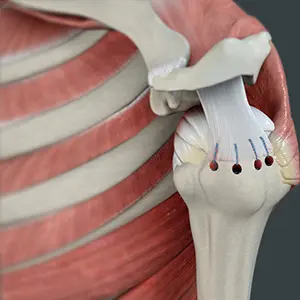
Finding the right orthopedic specialist is an important decision when shoulder pain begins affecting your daily routine. Whether you're dealing with a rotator cuff tear, persistent joint stiffness, or a sports-related injury, receiving an accurate diagnosis can make a significant difference in your treatment experience. Patients searching for orthopedic shoulder treatment in Troy, MI often want a specialist who understands their condition and offers personalized care. Choosing a Shoulder Surgeon in Troy, MI involves evaluating professional qualifications, treatment approaches, communication, and rehabilitation planning to make an informed decision.
The shoulder is a complex joint involving muscles, tendons, ligaments, cartilage, and bones that work together to support movement and stability.
Because shoulder problems can develop from different causes, selecting an orthopedic specialist with relevant experience is essential.
A physician who evaluates shoulder conditions can help distinguish between injuries that respond to nonsurgical care and those that may require surgical intervention.
Patients frequently seek shoulder care for:
Rotator cuff tears: Partial or complete tendon injuries affecting strength and movement.
Shoulder arthritis: Joint degeneration causing pain, stiffness, and restricted mobility.
Frozen shoulder: Progressive tightening of the joint capsule.
Shoulder instability: Repeated dislocations or excessive joint movement.
Labral tears: Damage to cartilage surrounding the shoulder socket.
Sports injuries: Shoulder problems resulting from athletic activities or repetitive movements.
Consider a Troy resident who enjoys recreational golf but develops shoulder discomfort while swinging.
Initially, they assume the pain is related to muscle fatigue. However, symptoms gradually worsen, and they begin experiencing difficulty lifting their arm.
After consulting an orthopedic specialist, the patient receives a physical examination and appropriate imaging.
The evaluation identifies a rotator cuff injury that may benefit from structured rehabilitation rather than immediate surgery.
This hypothetical example demonstrates why selecting a specialist who considers both surgical and nonsurgical options is important.
Not every orthopedic surgeon has the same training, clinical focus, or experience with specific shoulder procedures.
Understanding professional qualifications can help patients make informed decisions.
An orthopedic surgeon should have completed appropriate medical education and specialized residency training in orthopedic surgery.
Some physicians also complete fellowship training focused on shoulder surgery, sports medicine, or joint replacement.
Patients should verify professional credentials, current medical licensure, and relevant surgical training.
Different shoulder problems may require different treatment approaches.
For example:
Rotator cuff tears may require tendon repair.
Advanced shoulder arthritis may involve joint replacement.
Recurrent dislocations may require stabilization procedures.
Frozen shoulder usually begins with conservative treatment.
Ask whether the specialist regularly evaluates your condition and performs the procedure being considered.
Depending on the diagnosis, orthopedic treatment may involve arthroscopic procedures, joint replacement, or rehabilitation-focused care.
A qualified specialist should explain the potential benefits and limitations of available techniques without automatically recommending the newest procedure.
A good consultation should provide understandable explanations about:
The suspected diagnosis
Recommended diagnostic tests
Nonsurgical treatment options
Possible surgical procedures
Potential complications
Expected recovery requirements
Patients researching shoulder surgery in Troy, MI should feel comfortable asking questions before making treatment decisions.
Recovery does not end when a surgical procedure is completed.
A comprehensive treatment approach should include postoperative instructions, physical therapy recommendations, and realistic activity restrictions.
Preparing questions before your appointment can help you better understand the recommended treatment.
1. What Is Causing My Shoulder Pain?
Understanding the diagnosis is essential before selecting treatment.
Ask whether your symptoms are associated with tendon damage, joint arthritis, inflammation, or another condition.
2. Do I Need Surgery Immediately?
Many shoulder conditions improve through conservative treatment.
Ask whether physical therapy, activity modifications, medication, or other approaches are reasonable options.
3. What Experience Do You Have With This Procedure?
If surgery is recommended, discuss the surgeon's experience with the specific operation and the outcomes typically expected.
4. What Are the Possible Risks?
Shoulder surgery can involve risks such as infection, stiffness, nerve injury, persistent pain, or incomplete recovery.
The specialist should explain risks relevant to your health and procedure.
5. How Long Will Recovery Take?
Recovery differs between arthroscopic procedures, tendon repairs, stabilization surgery, and shoulder replacement.
Understanding rehabilitation requirements helps patients prepare for work restrictions and daily activities.
|
Factor |
Why It Matters |
|---|---|
|
Medical credentials |
Helps verify appropriate orthopedic training |
|
Relevant surgical experience |
Supports informed procedural decisions |
|
Treatment alternatives |
Encourages consideration of nonsurgical care |
|
Communication |
Helps patients understand available options |
|
Rehabilitation planning |
Supports realistic recovery expectations |
|
Follow-up care |
Allows monitoring of healing and progress |
Be cautious if a surgical recommendation is made without an adequate examination or explanation.
Other concerns include:
Limited discussion of nonsurgical alternatives
Unclear explanations of surgical risks
Unrealistic promises of complete recovery
No defined postoperative rehabilitation plan
Difficulty obtaining answers to important questions
Patients considering shoulder pain treatment in Troy, MI should prioritize clear medical guidance over promotional claims.
Choosing a Shoulder Surgeon in Troy, MI means finding a qualified physician who considers both immediate symptoms and long-term functional goals.
At Yousaf Orthopedic Surgery, patients can discuss orthopedic concerns, shoulder symptoms, and appropriate treatment options based on their individual needs.
Two patients with similar shoulder injuries may require different treatment plans.
A competitive athlete may need to regain strength for overhead sports, while an older adult with arthritis may prioritize comfortable movement during everyday activities.
A physically demanding occupation can also influence rehabilitation timelines and decisions about returning to work.
Before visiting an orthopedic specialist:
Write down when your shoulder symptoms began.
Record movements that increase or relieve discomfort.
Bring relevant imaging reports and medical records.
Prepare a list of medications and previous treatments.
Identify the daily activities you hope to resume.
These details help your physician understand how the condition affects your lifestyle.
Modern orthopedic care increasingly emphasizes individualized treatment planning, appropriate diagnostic imaging, and structured rehabilitation.
However, successful treatment also depends on patient participation.
Following medical instructions, attending therapy sessions, and gradually returning to physical activity can support improved shoulder function.
Look for appropriate orthopedic surgical training, current medical licensure, relevant clinical experience, and board certification where applicable.
Persistent pain, noticeable weakness, restricted mobility, or symptoms following an injury may justify orthopedic evaluation.
No. Orthopedic surgeons also diagnose and manage many shoulder conditions through nonsurgical treatments.
Yes. Seeking a second opinion can help clarify treatment alternatives, surgical recommendations, and expected outcomes.
Choosing the right shoulder specialist involves more than finding a nearby orthopedic office. Professional qualifications, relevant experience, clear communication, and individualized treatment planning all contribute to informed healthcare decisions. Whether your condition requires physical therapy, medication, or surgical intervention, understanding your options is essential. Taking time to evaluate a specialist and prepare thoughtful questions can help you approach treatment confidently while working toward improved shoulder comfort, strength, and mobility.