Indonesia
 English
 Arabic
 French
 Spanish
 Portuguese
 Deutsch
 Turkish
 Dutch
 Italiano
 Russian
 Romaian
 Portuguese (Brazil)
 Greek
Renovation Vision – Impossible Transformations
Art |
2026-11-03 07:41:09
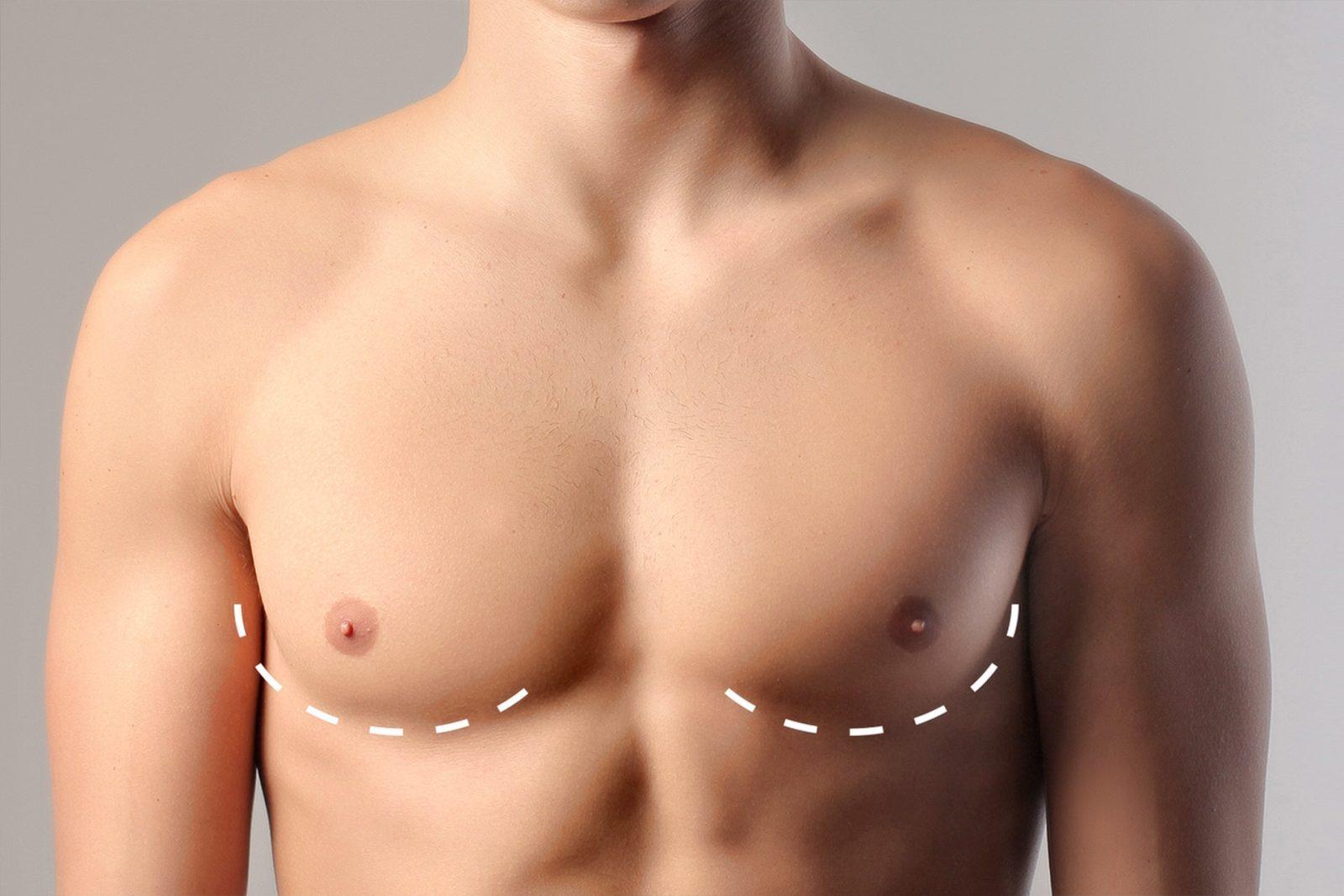
Gynecomastia is a condition characterized by the enlargement of breast glandular tissue in males. It can affect men at different stages of life and may develop because of hormonal changes, certain medications, underlying health conditions, or natural changes in body composition. Although the condition is generally not dangerous, it can influence physical appearance, confidence, and everyday comfort.
For men considering Gynecomastia Surgery in Riyadh, understanding how a personalized treatment plan is developed is an important part of making an informed decision. Every individual has different chest characteristics, medical circumstances, and aesthetic expectations. Therefore, treatment planning requires careful assessment rather than relying on a standard surgical approach.
In Saudi Arabia, growing awareness of male aesthetic procedures has encouraged more individuals to explore available options for addressing enlarged male breast tissue. Understanding the factors that influence treatment selection can help patients approach their consultations with realistic expectations.
Gynecomastia occurs when male breast glandular tissue becomes enlarged. It may affect one or both sides of the chest and can appear differently depending on the underlying cause. Some men experience mild fullness around the nipple area, while others develop more noticeable enlargement across the chest.
Hormonal imbalance is one of the most common factors associated with gynecomastia. Testosterone and estrogen naturally exist in the male body, but changes in their balance can contribute to breast tissue development. These hormonal changes may occur during puberty, adulthood, or later stages of life.
Other contributing factors include certain prescription medications, weight fluctuations, liver conditions, and specific health concerns. However, not every case of enlarged male breasts is true gynecomastia. Sometimes, excess fatty tissue creates a similar appearance, a condition commonly referred to as pseudogynecomastia.
Understanding the difference between glandular enlargement and fatty tissue is essential when considering Gynecomastia Surgery in Riyadh, because each condition may require a different treatment approach.
Gynecomastia does not present identically in every individual. The amount of glandular tissue, distribution of chest fat, skin elasticity, and overall chest structure can influence the final appearance. Consequently, treatment planning should consider the patient's specific anatomical characteristics.
A personalized approach helps determine which surgical techniques may be appropriate and whether additional medical evaluation is necessary before proceeding.
Chest anatomy is one of the most important considerations during treatment planning. Some men have concentrated tissue enlargement beneath the nipples, while others experience fullness extending across a larger portion of the chest.
The surgeon evaluates the location and volume of enlarged tissue, the relationship between the nipple and surrounding skin, and the natural shape of the chest. These observations help establish an approach that considers both symmetry and proportion.
The composition of enlarged breast tissue can influence the choice of surgical technique. Glandular tissue is generally firmer and may not respond to liposuction alone. Fatty tissue, on the other hand, may be addressed through fat-removal techniques when clinically appropriate.
Some patients have a combination of glandular enlargement and excess fat. In such cases, a combination of surgical methods may be considered to achieve a balanced chest contour.
Skin quality is another important factor. Younger individuals with good skin elasticity may experience natural skin adjustment following tissue removal. However, individuals with significant skin laxity may require additional consideration.
The surgeon assesses whether the skin is likely to adapt to the new chest contour or whether skin removal may be necessary. This evaluation is particularly relevant when substantial enlargement has been present for an extended period.
Modern male breast reduction procedures involve different techniques depending on the patient's anatomy and treatment objectives. The selected method should address the underlying tissue concerns while preserving a natural chest appearance.
Liposuction is commonly considered when excess fatty tissue contributes significantly to chest enlargement. The procedure involves inserting a thin cannula through small incisions to remove unwanted fat.
This approach can help improve chest definition and reduce fullness. It may be suitable for individuals whose enlargement is primarily associated with fatty tissue and who have relatively good skin elasticity.
However, liposuction alone may not adequately address firm glandular tissue. Therefore, an appropriate examination is necessary before selecting this method.
When enlarged glandular tissue is responsible for chest fullness, surgical excision may be recommended. This technique involves removing excess breast gland tissue through carefully planned incisions, often positioned around the edge of the areola.
The procedure aims to reduce the prominence of the chest while maintaining a natural relationship between the nipple and surrounding structures.
Some patients have both excess fat and enlarged glandular tissue. A combined approach involving liposuction and glandular excision may be considered to address both concerns.
The specific combination depends on tissue composition, chest dimensions, skin condition, and the surgeon's assessment. This flexibility is an important aspect of personalized Gynecomastia Surgery in Riyadh.
A comprehensive medical assessment helps determine whether a patient is an appropriate candidate for surgery. It also helps identify potential causes of breast enlargement that may need attention before considering a cosmetic procedure.
During consultation, the surgeon reviews the patient's medical history, current medications, previous procedures, and any symptoms associated with chest enlargement.
A physical examination helps evaluate tissue consistency, symmetry, tenderness, skin quality, and the overall chest structure. The surgeon may also ask when the enlargement first appeared and whether it has changed over time.
Hormonal changes can contribute to gynecomastia, making medical evaluation important in selected cases. Depending on the patient's symptoms and medical history, additional investigations may be recommended.
These may include blood tests or imaging studies when clinically indicated. Identifying an underlying medical cause helps ensure that treatment decisions are appropriate.
Overall health plays an important role in surgical planning. Certain medical conditions, smoking habits, and medications may influence healing and surgical safety.
Patients should provide accurate medical information and discuss any supplements or prescription medications with their healthcare professional. This allows potential risks to be evaluated before surgery.
Recovery is an important part of the treatment journey. Although individual experiences vary, understanding the general healing process can help patients prepare for the period following surgery.
Swelling, bruising, tenderness, and temporary discomfort are common after gynecomastia surgery. These effects generally improve gradually as the body heals.
Patients may be advised to wear a compression garment to support the chest, help manage swelling, and assist the healing tissues. Following postoperative instructions is important during this stage.
The timing of returning to work and normal activities depends on the surgical technique and individual recovery progress. Light activities may be resumed earlier, while strenuous exercise and heavy lifting generally require a longer recovery period.
Patients should follow their surgeon's recommendations rather than rushing back into demanding activities.
The chest gradually develops its new appearance as swelling decreases and the tissues settle. Final results may take several months to become more apparent.
Maintaining a stable body weight and following healthy lifestyle habits can help preserve the overall appearance. However, natural aging and significant weight changes may influence chest contours over time.
Individuals exploring Gynecomastia Surgery in Saudi Arabia should consider more than the surgical technique alone. Understanding the surgeon's qualifications, experience with male breast reduction, and approach to individualized treatment is essential.
A suitable consultation should provide an opportunity to discuss personal concerns, medical suitability, potential risks, and realistic expectations. Patients should also understand the limitations of surgery and the possibility of temporary or long-term changes in sensation, scarring, or chest symmetry.
Riyadh offers access to modern medical facilities and surgical services, making it an important location for individuals researching male breast reduction in Saudi Arabia. However, choosing a treatment provider should always involve careful consideration of professional credentials, patient safety, and the quality of medical guidance.
The appropriate surgical approach depends on the amount of glandular tissue, excess fat, skin elasticity, chest anatomy, and the patient's overall health. A physical examination helps determine which technique may be suitable.
Liposuction may be effective when chest enlargement is primarily caused by excess fatty tissue. However, firm glandular tissue generally requires surgical excision. Some patients may benefit from combining both techniques.
Men with persistent breast enlargement who are in generally good health and have realistic expectations may be considered candidates. A medical assessment is necessary to determine suitability and identify possible underlying causes.
Recovery varies depending on the procedure and individual healing response. Initial swelling and bruising generally improve over several weeks, while the chest contour may continue developing over several months.
Surgical removal can provide long-lasting improvement, but recurrence or renewed chest fullness may occur in certain circumstances. Hormonal changes, specific medications, and significant weight fluctuations can influence future chest appearance.
Personalized planning helps address differences in tissue composition, chest anatomy, skin elasticity, and individual expectations. It allows the surgical approach to be selected according to the patient's specific circumstances rather than following a standard method.
Gynecomastia treatment involves more than simply reducing excess chest tissue. Developing an appropriate surgical plan requires understanding the underlying cause of enlargement, evaluating individual anatomy, selecting suitable techniques, and considering overall health and recovery expectations.
For individuals researching Gynecomastia Surgery in Riyadh, personalized assessment is essential for making informed decisions and understanding the potential benefits and limitations of treatment. Whether the concern involves glandular enlargement, excess fatty tissue, or a combination of both, the right approach should prioritize patient safety, natural-looking proportions, and realistic outcomes.
As interest in male aesthetic treatments continues to develop across Saudi Arabia, individuals can explore available treatment information and professional consultation options. Enfield Royal Clinic Saudi is also a name patients may encounter when researching aesthetic treatment services in the region. Ultimately, choosing a qualified medical professional and receiving an individualized assessment are important steps toward making a confident and informed decision about gynecomastia treatment.