Indonesia
 English
 Arabic
 French
 Spanish
 Portuguese
 Deutsch
 Turkish
 Dutch
 Italiano
 Russian
 Romaian
 Portuguese (Brazil)
 Greek
Confirm Authorized Stores For Acne Studios Hoodie
Shopping |
2026-11-05 06:07:01
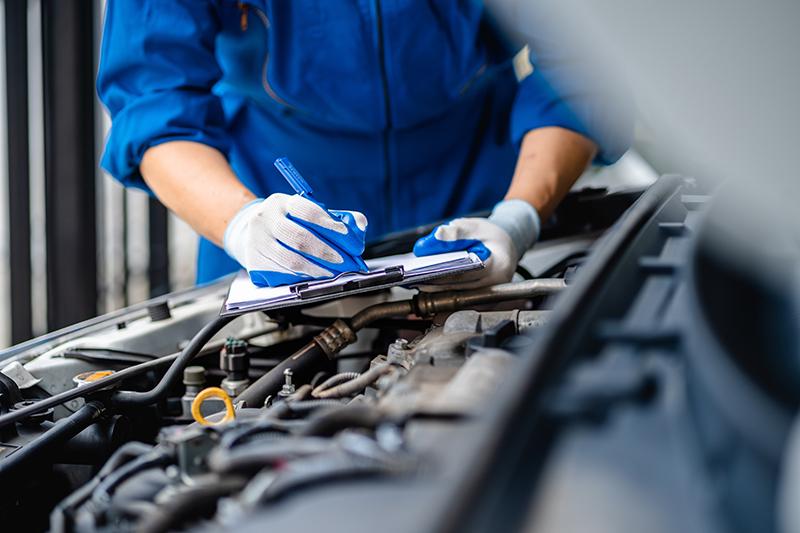
Taking care of a vehicle is about more than keeping it clean or filling the fuel tank. Regular auto care helps a car run properly, reduces the risk of sudden breakdowns, and keeps important parts in good condition. Many drivers only visit a repair shop when something goes wrong. However, small problems can become expensive repairs when they are ignored for too long. A little attention at the right time can make a big difference in how your vehicle performs.
Every vehicle needs regular checks, whether it is used for daily travel, family trips, or long-distance driving. Engine oil, tires, brakes, filters, and other parts all play an important role in keeping a car safe and reliable. Understanding basic vehicle care can help drivers make better decisions and avoid unnecessary repair costs.
Regular auto care helps identify problems before they affect other parts of your vehicle. For example, low engine oil can increase friction between moving parts and may cause serious engine damage. Similarly, worn brake pads can reduce stopping power and make driving unsafe.
Routine maintenance also helps your vehicle use fuel more efficiently. When tires are properly inflated, filters are clean, and the engine is working as it should, the vehicle can operate more smoothly. These simple checks can also help reduce the chances of unexpected problems during everyday travel.
Drivers looking for professional help with Auto Maintenance in Bridgeton NJ can benefit from regular inspections and timely servicing. Having a trained technician check important vehicle systems makes it easier to understand what needs attention and which repairs should not be delayed.
Engine oil is one of the most important fluids in a vehicle. It helps reduce friction, controls heat, and keeps engine parts moving properly. Over time, oil becomes dirty and loses some of its ability to protect the engine. That is why it needs to be checked and changed according to the vehicle manufacturer's recommendations.
Apart from engine oil, other fluids also need attention. Coolant helps control engine temperature, brake fluid supports the braking system, and transmission fluid helps the transmission operate correctly. Low or dirty fluids may affect vehicle performance and lead to mechanical problems.
Make it a habit to check for fluid leaks under your parked vehicle. Dark brown or black fluid may indicate an oil leak, while bright or colored fluid could come from another system. Since fluid colors can vary, a professional inspection is the best way to identify the source.
Tires are the only parts of your vehicle that directly touch the road. Their condition affects handling, braking, fuel use, and overall driving safety. Driving with worn or underinflated tires can make it harder to control the vehicle, especially during rain or sudden stops.
Check tire pressure regularly and follow the pressure level recommended by the vehicle manufacturer. The correct pressure is usually listed on a sticker inside the driver's door or in the owner's manual. Do not rely only on the maximum pressure printed on the tire itself.
You should also look at the tire tread. If the tread is too low, the tires may struggle to maintain grip on wet roads. Uneven wear can point to alignment problems, incorrect tire pressure, or suspension issues. Tire rotation and wheel alignment, when needed, help support even wear and better handling.
A properly working braking system is essential for safe driving. Brake pads, rotors, calipers, and brake fluid all work together to slow down and stop your vehicle. If any of these parts become worn or damaged, stopping distance and braking performance may be affected.
Some common warning signs include squeaking sounds, grinding noises, vibrations while braking, or a brake pedal that feels unusually soft. A brake warning light on the dashboard should also be taken seriously.
If you notice these signs, arrange a professional inspection as soon as possible. Continuing to drive with faulty brakes can put you and other road users at risk. Brake problems should never be treated as minor issues simply because the vehicle can still move.
Your engine needs a steady supply of clean air and fuel to work properly. Air filters help stop dust and dirt from entering the engine, while fuel filters help keep unwanted particles away from important fuel system parts. When filters become clogged, engine performance and fuel efficiency may suffer.
A dirty air filter can sometimes cause reduced acceleration or poor engine response. However, these symptoms can have several possible causes, so replacing a filter without checking the vehicle may not solve the problem.
It is also important to pay attention to unusual engine sounds, rough idling, warning lights, and changes in fuel consumption. These signs do not always point to a serious issue, but they deserve attention before they develop into larger problems.
Modern vehicles have different mechanical and electronic systems that need proper testing. While drivers can handle basic checks such as tire pressure and fluid levels, more complex issues often require professional tools and technical knowledge.
MMC Auto Repair LLC is a local auto repair business that drivers can consider when looking for help with vehicle maintenance and repair. A professional repair shop can inspect important systems, explain possible problems, and help drivers understand which services are necessary. Clear communication and careful workmanship are important when choosing someone to look after your vehicle.
A vehicle battery supplies the power needed to start the engine and operate many electrical features. A weak battery may cause slow engine cranking, dim lights, or difficulty starting the vehicle. Extreme temperatures, age, and charging system problems can all affect battery performance.
Check the battery terminals for corrosion and make sure the connections are secure. If your battery is several years old or the vehicle struggles to start, have its condition tested. A technician can also inspect the alternator and charging system to find out whether the battery is receiving the correct charge.
Modern cars also depend on electrical parts such as sensors, control modules, and wiring. If dashboard warning lights appear or electrical features stop working, proper diagnosis can help locate the issue.
Every vehicle has a maintenance schedule based on its make, model, engine, and driving conditions. This schedule explains when certain parts should be inspected, serviced, or replaced. Following it helps prevent avoidable wear and keeps important systems working as intended.
Keep records of oil changes, tire rotations, brake inspections, and other repairs. These records make it easier to track completed services and identify upcoming maintenance needs.
Your driving habits also matter. Frequent short trips, heavy traffic, dusty roads, and extreme weather may place extra demands on certain vehicle parts. If you regularly drive in these conditions, ask a qualified technician whether your maintenance routine needs adjustment.
Small changes in how your vehicle behaves can tell you that something needs attention. Unusual smells, smoke, fluid leaks, shaking, poor acceleration, and strange noises should not be ignored.
Dashboard warning lights are another way your vehicle communicates possible problems. Some lights indicate routine maintenance needs, while others may signal serious faults. Always check the owner's manual to understand what a warning means. If the oil pressure or engine temperature warning appears, stop safely and follow the manufacturer's instructions rather than continuing to drive.
Drivers who need help with regular inspections or repair concerns can look into Auto Maintenance in Bridgeton NJ to find professional support for keeping their vehicles in good working order.
Keeping your vehicle running smoothly does not have to be difficult. Regular oil changes, tire checks, brake inspections, fluid checks, and battery testing can help prevent many common problems. Following the manufacturer's maintenance schedule is equally important because every vehicle has different service needs.
The key is to pay attention to small warning signs and avoid delaying necessary repairs. With regular care and support from qualified auto repair professionals, you can improve vehicle reliability, protect important components, and enjoy greater confidence on the road.