Indonesia
 English
 Arabic
 French
 Spanish
 Portuguese
 Deutsch
 Turkish
 Dutch
 Italiano
 Russian
 Romaian
 Portuguese (Brazil)
 Greek
Finding Support Through an Infertility Coach and Coaching Packages for Moms
Other |
2026-10-06 15:36:05
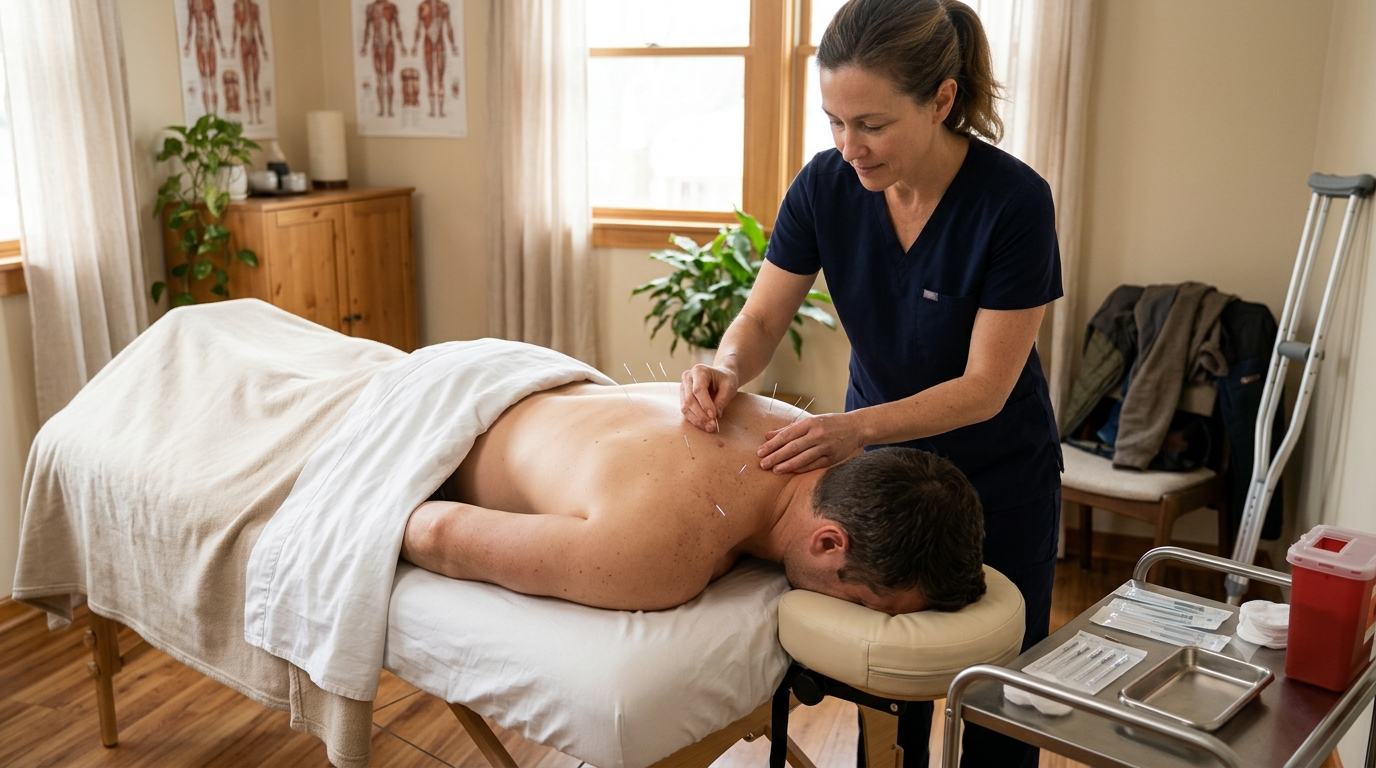
After a car accident, returning to everyday life can be harder than expected. You may manage a short walk or a few hours at work, only to feel more uncomfortable later that day. If you are considering how acupuncture for accident recovery could fit into a broader plan, it helps to understand activity pacing first. The goal is not to push through every symptom or avoid movement altogether. It is to rebuild daily function in a measured way, following medical advice and adjusting activities as your recovery progresses.
A useful recovery plan should account for your symptoms, the demands of your job, sleep, travel, and the amount of activity you can manage. Complementary care may be considered by some people as an optional addition, but it should not replace medical assessment, recommended exercises, or other treatment.
Recovery is rarely a perfectly straight line. You may have a day when your neck feels more comfortable and you decide to catch up on housework, errands, driving, or work tasks. Later, discomfort or fatigue may increase.
This can create a cycle:
Symptoms improve slightly.
You do much more than usual.
Pain or fatigue increases.
You reduce activity significantly to recover.
Everyday tasks begin to feel difficult again.
You repeat the same pattern when you have another better day.
This is sometimes described as a boom-and-bust pattern. It does not mean that every increase in discomfort signals new damage, but it does mean that your activity plan may need adjustment. If symptoms are worsening, new, or unexplained, seek medical advice rather than assuming that pacing alone is enough.
Pain matters, but it is not the only way to judge recovery. Consider the activities that make up your normal day:
Getting dressed and preparing meals.
Sitting at a desk or using a computer.
Driving or travelling as a passenger.
Lifting, carrying, or reaching.
Walking, shopping, and managing household tasks.
Sleeping comfortably and maintaining a routine.
Concentrating on work or family responsibilities.
A person may report a lower pain level but still struggle to sit through a meeting. Another may have some discomfort but be gradually returning to normal tasks. Both situations deserve attention to function, not just a single number.
Before increasing your workload, identify what you can currently do without a major or prolonged symptom flare. This is your starting baseline.
For example, if you can comfortably work at a computer for 20 minutes before needing a change of position, use that as information. It may be more practical to begin with shorter work periods and planned movement breaks than to attempt a full uninterrupted session.
Do not use a generic schedule as a medical prescription. The right starting point depends on the injury, assessment findings, and advice from your healthcare professional.
|
Daily activity |
What to monitor |
Possible adjustment |
|
Desk work |
Neck discomfort, concentration, fatigue |
Shorter work blocks and position changes |
|
Driving |
Head movement, alertness, reaction time |
Follow medical advice before driving; consider alternative transport |
|
Household chores |
Reaching, bending, lifting, symptom increase |
Break tasks into smaller parts |
|
Walking |
Balance, fatigue, pain response |
Choose a manageable route and build gradually |
|
Shopping |
Standing time, carrying bags, travel |
Shorter visits or help with heavier items |
|
Sleep routine |
Discomfort, waking, next-day tiredness |
Discuss persistent sleep problems with a clinician |
Use this framework as a discussion tool with your healthcare professional.
Choose two or three priority activities. Start with tasks that matter most to your independence, work, or family routine. Avoid trying to rebuild your entire schedule at once.
Estimate your current capacity. Record how long you can perform each task and what happens afterwards. Be specific: sitting, walking, typing, or lifting may affect you differently.
Break longer tasks into smaller blocks. Instead of completing a large cleaning task in one session, divide it into shorter sections with planned pauses.
Plan breaks before symptoms become overwhelming. A planned change of position or short rest may be easier to manage than waiting until you are exhausted.
Increase one demand at a time. You might add a little more walking or extend one work block. Avoid increasing duration, intensity, and load all at once.
Review the response over the next day. Notice whether the change was manageable, caused a temporary increase in symptoms, or led to a sustained deterioration.
Adjust with professional guidance. If symptoms consistently worsen, function declines, or new symptoms appear, ask your healthcare professional to review the plan.
Work can involve more than the physical tasks listed in a job description. Commuting, screen time, deadlines, meetings, noise, concentration, and prolonged sitting may all affect how manageable a return feels.
A gradual return may involve temporary changes, depending on your job and medical advice. Examples include:
Shorter shifts or reduced hours initially.
More frequent opportunities to change position.
Temporary limits on lifting or repetitive tasks.
A quieter workspace if headaches or sensitivity to noise are present.
More time for breaks between meetings.
Temporary changes to driving or travel requirements, if advised by a clinician.
A review date to assess whether duties can be increased.
If your work involves operating machinery, driving professionally, working at heights, or carrying heavy loads, do not make assumptions about safety. Ask your healthcare professional when it is appropriate to resume those duties.
People sometimes consider acupuncture as one element of a wider recovery routine. When exploring acupuncture for accident recovery, be clear about the role you expect it to play. It should not be described as a guaranteed way to accelerate tissue healing, repair structural injuries, or replace rehabilitation.
Evidence for acupuncture in whiplash-related conditions is limited. Some guidance treats it as an option that may be considered cautiously alongside recommended care, with progress monitored. That means a practitioner should be willing to discuss your diagnosis, current treatment plan, and measurable goals rather than simply recommending repeated sessions.
A reasonable discussion might focus on comfort, the treatment process, possible side effects, and whether appointments fit your schedule. If your healthcare professional has advised against a particular treatment or movement, share that advice before proceeding.
Example 1: Returning to computer-based work
A person who works in administration returns after a collision. They can manage a short period at a desk, but their neck becomes uncomfortable during long meetings. Instead of attempting a full day immediately, they discuss a temporary schedule with their employer and clinician. They begin with shorter work periods, planned movement breaks, and fewer back-to-back meetings. The schedule is reviewed as their tolerance changes.
Example 2: Managing household responsibilities
Someone who normally handles cooking, shopping, and cleaning tries to complete all these tasks in one afternoon. Their discomfort increases and they spend much of the next day resting. They decide to divide chores across several days, ask for help with heavier items, and take planned breaks. This makes it easier to maintain a routine without repeatedly overloading one day.
James is recovering from a collision that left him with neck discomfort and reduced tolerance for prolonged sitting. His job involves computer work and regular meetings. Initially, he tries to return to his normal schedule, but by the afternoon he struggles to concentrate and feels increasingly uncomfortable.
After discussing his symptoms with his healthcare professional, James creates a more structured plan. He begins with shorter work blocks, takes planned movement breaks, and temporarily reduces the number of long meetings. He also records how he feels later in the day and the following morning.
James considers complementary care but asks the practitioner to review his medical guidance first. He understands that sessions are optional and do not replace his recommended exercises or follow-up. Over time, he and his employer review the work schedule and make adjustments based on his function.
The lesson is that progress is often built through manageable steps. A realistic plan is more useful than repeatedly testing your maximum capacity.
|
What you notice |
What it may indicate |
What to consider |
|
You can complete more tasks with similar symptoms |
Capacity may be improving |
Continue gradual progression as advised |
|
You feel exhausted after every workday |
The workload may be too high |
Review hours, breaks, and duties |
|
Symptoms remain elevated for a prolonged period after activity |
The progression may be too fast or another issue may need assessment |
Discuss the pattern with your clinician |
|
You develop new weakness, numbness, or balance problems |
A new or serious concern may be present |
Seek urgent medical advice |
|
You are avoiding most movement because of fear |
You may need clearer guidance and support |
Discuss safe activity with a healthcare professional |
Do not force progression to meet a deadline. Equally, do not assume that complete inactivity is the best solution. The right balance depends on the injury and clinical advice.
Returning to work and daily responsibilities after an accident is often a process of rebuilding tolerance. Breaking tasks into manageable blocks, planning breaks, and increasing activity gradually can help you avoid the repeated cycle of overdoing things and then stopping completely.
If you are considering acupuncture for accident recovery, treat it as an optional part of a wider plan. Choose a practitioner who respects your medical assessment, understands your current restrictions, and does not promise results that cannot be guaranteed. Your recovery plan should remain centred on safety, function, and steady progress.
For more information about the services offered by Swiss Acupuncture, visit the clinic's website and discuss your individual recovery needs before arranging treatment.
Not necessarily. The appropriate level of rest and activity depends on the injury. Many recovery plans encourage a gradual return to suitable daily activities, but you should follow your clinician's advice and seek assessment for worsening or concerning symptoms.
Set a manageable activity baseline, divide longer tasks into smaller blocks, and increase one demand at a time. Review how you feel later and the next day rather than judging progress only by how you feel in the moment.
No. It should not replace recommended rehabilitation, medical assessment, or exercises. Ask your healthcare professional whether it is suitable as an optional adjunct.
This depends on your symptoms, medication, injury, and ability to drive safely. Follow medical advice, especially if you have dizziness, concentration problems, restricted neck movement, or a possible head injury.
If you need changes to duties or hours, discuss suitable adjustments with your employer and healthcare professional. Written guidance may help clarify what tasks are appropriate during the return-to-work period.
Pause the progression and review the pattern. Contact your healthcare professional if symptoms remain worse, function declines, or new symptoms develop.