Indonesia
 English
 Arabic
 French
 Spanish
 Portuguese
 Deutsch
 Turkish
 Dutch
 Italiano
 Russian
 Romaian
 Portuguese (Brazil)
 Greek
What Makes Silicone Breast Implants Look Natural
Health |
2026-09-29 11:51:19
Smoking can affect many aspects of men's health, including heart function, blood circulation, and sexual wellness. Although some people consider smoking a normal part of their daily routine, regular tobacco use can gradually damage blood vessels and reduce healthy blood flow. These changes may increase the risk of Erectile Dysfunction (ED), a condition that makes it difficult to achieve or maintain an erection.
Understanding the connection between smoking and sexual health can help men make better lifestyle decisions. Factors such as tobacco exposure, physical activity, stress, sleep quality, and general health all influence normal erectile function. Learning about these risks can also help men understand why prevention and early medical guidance matter.
Healthy blood circulation plays an essential role in normal erectile function. During sexual stimulation, blood vessels relax and allow more blood to enter the penile tissue. This process helps produce and maintain an erection.
Smoking introduces harmful chemicals into the bloodstream. Nicotine can narrow blood vessels, while other tobacco chemicals contribute to inflammation and damage the inner lining of blood vessels. Over time, these effects may reduce circulation throughout the body.
Poor blood flow can interfere with the body's natural erectile response. Men who smoke regularly may experience circulation-related difficulties, particularly when they also have high blood pressure, diabetes, or elevated cholesterol.
Several biological changes explain the relationship between smoking and Erectile Dysfunction.
1. Damage to Blood Vessels
Tobacco chemicals can damage blood vessel walls and contribute to reduced flexibility. Healthy arteries need to expand properly to support normal circulation. When this process becomes less effective, the body may struggle to deliver sufficient blood during sexual activity.
2. Reduced Nitric Oxide Availability
Nitric oxide helps relax blood vessels and supports healthy circulation. Smoking can interfere with the body's ability to maintain normal nitric oxide activity. This may affect the relaxation of blood vessels required for an erection.
3. Increased Cardiovascular Risks
Long-term smoking increases the likelihood of cardiovascular problems. Conditions affecting the heart and arteries can also influence sexual health because both systems depend on effective blood circulation.
4. Oxidative Stress and Inflammation
Smoking increases oxidative stress, which can damage cells and contribute to inflammation. These changes may gradually affect blood vessel function and overall physical health.
Quitting smoking is one of the most beneficial lifestyle changes a person can make for long-term health. When someone stops smoking, the body gradually begins recovering from some of the harmful effects of tobacco exposure.
Improved circulation, better cardiovascular function, and reduced exposure to harmful chemicals may support healthier erectile responses. However, recovery depends on several factors, including smoking history, age, existing medical conditions, and overall health.
Men should also consider combining smoking cessation with regular exercise, balanced nutrition, sufficient sleep, and stress management.
Smoking is not the only factor that influences erectile function. Several everyday habits and medical conditions can contribute to sexual health difficulties.
Excessive Alcohol Consumption: Regular heavy drinking may affect hormone balance and normal sexual responses.
Physical Inactivity: A sedentary lifestyle can contribute to poor circulation, weight gain, and cardiovascular problems.
Unhealthy Eating Habits: Diets high in processed foods and unhealthy fats may increase cardiovascular risks.
Chronic Stress: Emotional pressure and anxiety can interfere with sexual performance.
Poor Sleep: Insufficient rest may affect hormone regulation, energy levels, and general well-being.
Underlying Health Conditions: Diabetes, hypertension, and cardiovascular disease can increase the likelihood of erectile difficulties.
Addressing these factors can support better overall health and may help reduce certain ED-related risks.
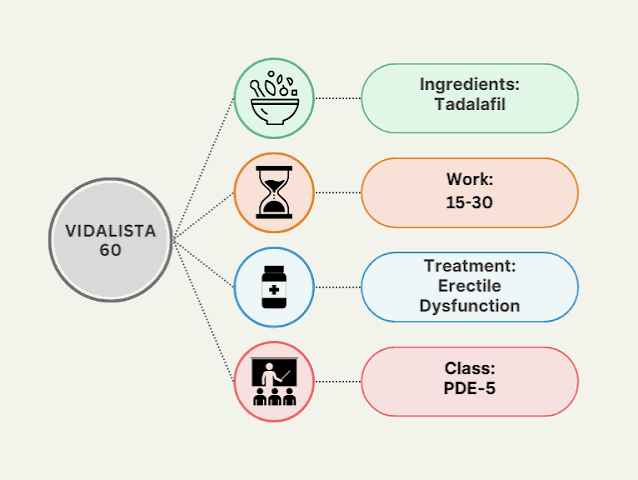
Men researching treatment approaches may come across Vidalista 60mg when exploring information about erectile health. It contains tadalafil, a PDE5 inhibitor that helps improve blood flow to the penis during sexual stimulation.
However, medication does not remove the underlying damage caused by smoking or replace healthy lifestyle habits. A healthcare professional should assess whether this treatment is appropriate based on an individual's medical history, current medicines, and cardiovascular health.
The 60 mg strength requires particular medical attention because tadalafil can cause side effects and interact with certain medicines. It must not be combined with nitrate medications because this combination can cause a dangerous drop in blood pressure. Men should never select or adjust a dose without professional guidance.
Understanding how Vidalista 60mg works is important, but addressing smoking habits and other health risks remains an essential part of managing erectile difficulties.
Men can take several practical steps to support healthy circulation and reduce lifestyle-related health risks.
Stop smoking and seek professional support if quitting feels difficult.
Include regular walking, cycling, or other suitable physical activities.
Choose balanced meals containing vegetables, fruits, whole grains, and healthy fats.
Maintain a healthy body weight.
Prioritise consistent sleep and relaxation.
Monitor blood pressure, blood sugar, and cholesterol levels.
Discuss persistent erectile difficulties with a qualified healthcare professional.
These habits can improve general well-being and support long-term cardiovascular health.
Smoking can increase the risk of Erectile Dysfunction by damaging blood vessels, affecting nitric oxide activity, and reducing healthy blood circulation. The effects may become more significant when smoking occurs alongside other health concerns, such as diabetes, obesity, and cardiovascular disease.
Quitting tobacco, maintaining an active lifestyle, and seeking timely medical advice can help men protect their overall health. Although treatments such as Vidalista 60mg are discussed in the context of ED management, they cannot replace smoking cessation or professional medical assessment. Taking preventive steps today can support healthier habits and better long-term well-being.