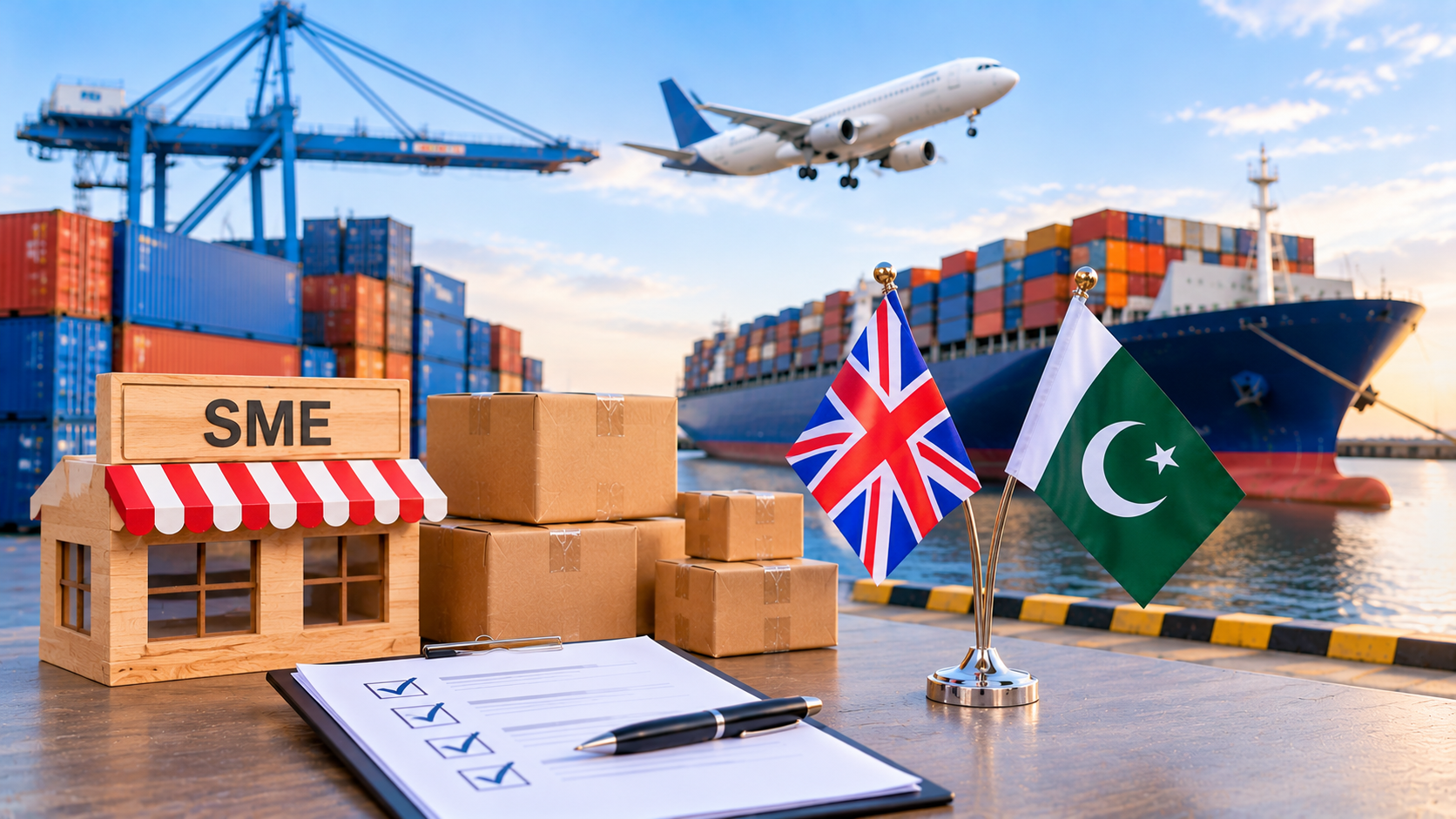
Small and medium-sized businesses often have to manage international orders without the resources of a large company. Imagine a small UK business owner who sells clothing, home accessories, or handmade products. One day, a customer or business partner in Pakistan requests a shipment, and the owner must figure out how to send the goods, manage costs, prepare documents, and keep the delivery moving without disrupting daily operations.
For businesses in this situation,
UK to Pakistan Cargo Services can provide a practical way to move goods internationally while managing shipping expenses, delivery arrangements, and paperwork. The right cargo arrangement can help smaller businesses handle overseas orders without needing to build their own international logistics network.
"For a small business, international shipping is not just about moving goods. It is about managing costs, time, and customer expectations."
Why Do Small Businesses Need Reliable Shipping Options?
Small businesses often operate with limited staff, storage space, and budgets. A delayed shipment or unexpected transportation cost can affect stock availability, customer satisfaction, and future orders. Unlike larger companies, SMEs may not have a dedicated logistics department to manage these challenges.
Reliable shipping options allow business owners to plan deliveries, communicate with customers, and make better decisions about how goods should be transported. Having a dependable shipping partner can make international trade easier to manage as a business grows.
Can Cargo Services Help SMEs Control Shipping Costs?
The cost of transporting goods depends on several factors, including shipment weight, dimensions, transport method, destination, packaging, and additional handling requirements.
Businesses can compare available shipping arrangements before booking. Consolidated shipments, where goods share transport space with other consignments, may be a suitable option for businesses that do not need an entire container. Comparing quotations and understanding what is included can help SMEs avoid unexpected charges.
How Can Businesses Choose the Right Shipping Method?
Not every shipment needs the same transportation method. A small business sending samples, urgent orders, or replacement products may have different delivery requirements from one transporting bulk stock.
- Air freight: Often suitable for urgent shipments, valuable products, or smaller consignments where delivery speed matters.
- Sea freight: Commonly used for larger shipments when businesses can allow more time for transportation.
- Parcel services: Useful for smaller packages, individual orders, and shipments that require convenient tracking.
The decision should consider the product, delivery deadline, budget, and customer expectations rather than price alone.
Why Is Sea Freight Useful for SMEs Sending Larger Shipments?
When a small business begins handling larger orders, transporting every shipment by air may become expensive. In such situations,
sea freight services can offer another option for moving commercial goods, especially when the business has enough time to plan its inventory and delivery schedule.
Sea transport is commonly used for cartons, furniture, equipment, household products, and other goods that can be shipped in larger quantities. SMEs may also explore shared container arrangements rather than paying for a full container. However, they should check the complete quotation, including collection, handling, customs-related charges and destination delivery, before making a decision.
Can Freight Forwarders Make International Shipping Easier?
Managing an international shipment involves more than arranging transport. Businesses may need help with shipping documents, customs declarations, cargo handling, transport bookings, and communication with different parties involved in the journey.
A freight forwarder can coordinate several of these responsibilities on behalf of an exporter. This can be particularly helpful for SMEs that do not have the time or experience to manage each stage independently. The business should still review the documents, shipment details, and agreed responsibilities carefully.
What Documents Should SMEs Prepare Before Shipping?
Correct documentation helps reduce avoidable problems during international transportation and customs processing. The documents required depend on the goods, shipment arrangement, and applicable regulations.
Businesses may need to prepare:
- Commercial invoice with accurate product descriptions and values.
- Packing list showing the contents and quantities.
- Appropriate customs declarations.
- Commodity codes for classifying goods.
- Additional licences or certificates where required.
Exporters should check the relevant UK and Pakistani requirements before dispatching goods. The UK government advises exporters to prepare accurate customs information and check whether specific goods require additional documentation or licences.
How Does Cargo Tracking Help Small Business Owners?
Knowing where a shipment is and whether it is progressing as expected can help business owners manage their daily operations. Tracking updates may allow an SME to inform customers, plan stock replenishment, and prepare for receiving goods.
Although tracking information does not guarantee a delivery date, regular communication with the shipping provider can help businesses respond to delays or changes. This is especially important when shipments contain goods needed for customer orders or upcoming sales.
Can International Cargo Services Support Business Growth?
As an SME receives more international orders, its shipping requirements may change. It might initially send a few cartons but later need regular consignments, different transportation options, or more organised delivery arrangements.
A cargo service that can accommodate changing shipment sizes and requirements may help businesses adjust their logistics as they expand. Owners should review service flexibility, communication, handling arrangements and pricing rather than choosing a provider based solely on one shipment.
"Growing a business internationally requires careful planning, and shipping arrangements are an important part of that plan."
What Should SMEs Check Before Booking a Cargo Service?
Before arranging an international shipment, business owners should compare providers and confirm the details of their service. A low quotation may not include every charge or delivery stage.
- Ask for a clear quotation with included and excluded charges.
- Confirm the estimated transit time.
- Check collection and destination delivery arrangements.
- Ask about cargo tracking and customer support.
- Confirm packaging and handling requirements.
- Review customs responsibilities and insurance options.
These checks can help businesses make a more informed shipping decision and avoid misunderstandings.
Is International Shipping Practical for Small Businesses?
International shipping can be practical for SMEs when the transportation method, costs, documents, and delivery expectations are planned properly. Businesses do not necessarily need to ship large volumes to explore overseas markets, but they should understand the financial and logistical responsibilities involved.
Starting with a clear shipping plan, comparing available services and communicating with the freight provider can help small businesses manage international orders more confidently.
"The right shipping decision is the one that fits the business's products, budget, and delivery commitments."
Frequently Asked Questions
Are cargo services suitable for small businesses?
Yes. Cargo and parcel services can help small businesses transport products internationally without operating their own transportation network.
Is sea freight cheaper than air freight for SMEs?
Sea freight may be more economical for larger shipments, but the final cost depends on shipment volume, route, handling, delivery arrangements, and other charges.
Can small businesses send goods without filling an entire container?
Yes. SMEs may be able to use shared container shipping arrangements, subject to the freight provider's available services and shipment requirements.
What should an SME consider before exporting goods to Pakistan?
Businesses should check product restrictions, customs requirements, documentation, transportation costs, delivery arrangements, and the responsibilities agreed with the buyer.
Conclusion
International shipping can open new opportunities for small and medium-sized businesses, but the process requires careful planning. Choosing an appropriate transport method, preparing accurate documents, comparing costs and working with a reliable shipping provider can help SMEs manage their overseas orders.
With a clear understanding of their shipping requirements, smaller businesses can make practical decisions, serve international customers and explore new markets without unnecessarily complicating their operations.
 Indonesia
 English
 Arabic
 French
 Spanish
 Portuguese
 Deutsch
 Turkish
 Dutch
 Italiano
 Russian
 Romaian
 Portuguese (Brazil)
 Greek