Indonesia
 English
 Arabic
 French
 Spanish
 Portuguese
 Deutsch
 Turkish
 Dutch
 Italiano
 Russian
 Romaian
 Portuguese (Brazil)
 Greek
What Happens During a Liposuction Procedure?
Health |
2026-10-23 06:07:52
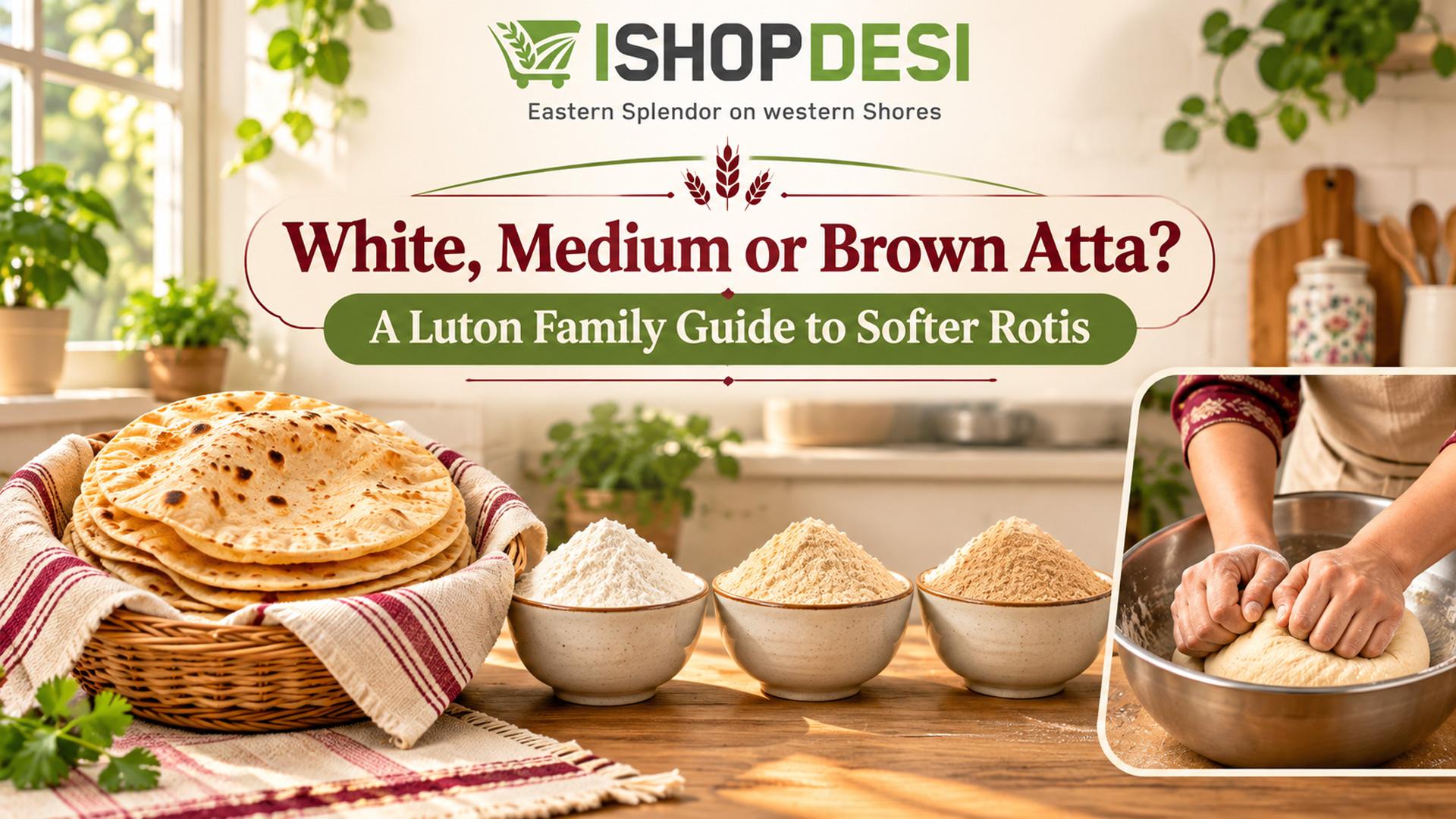
In many Luton homes, roti is cooked at least once a day, often twice. Over time, every family develops its own idea of the perfect roti. Some like it thin and soft enough to fold like cloth. Others like a heartier roti that holds up to a thick salan. Much of that difference starts with one choice: which atta goes in the bin.
If you're wondering which atta for soft rotis suits your household, here's how families usually make that choice, and the habits that matter just as much as the flour.
Ask around and you'll find that atta choices are rarely random. Many households use the same brand their parents used, or the one that was easiest to find when they first moved to Luton. Others switched after a relative recommended something, or after a bag of a different brand turned out better than expected.
That loyalty makes sense. Your hands learn how a particular atta behaves: how much water it takes, how it feels when it's kneaded properly and how it rolls. Changing brands means relearning a little, which is why many families stick with what they know.
Most families don't compare flour technically. They decide by the result on the plate:
Some families even mix two types at home, white with brown for example, to get exactly the texture they like.
Here's the part many people miss: the same atta can make soft or hard rotis depending on how it's handled. Families who get consistently soft rotis tend to share a few habits:
A family that gets these right can make soft rotis with almost any atta.
Atta is one of the heaviest things in a desi shop, and running out halfway through the week is a familiar headache. That's why more Luton households now order it online along with rice and dals, rather than carrying big bags home.
If you're comparing the popular medium atta brands before your next order, this guide to atta delivery Luton compares Asli, Elephant, Champion No2 and Laila Medium Atta side by side.
There's no single "best" atta. The right one is the roti your family is happy to eat every day. Try one brand for a few weeks, adjust the water and resting time, and pay attention to what disappears fastest at the dinner table. That usually settles the debate.