Indonesia
 English
 Arabic
 French
 Spanish
 Portuguese
 Deutsch
 Turkish
 Dutch
 Italiano
 Russian
 Romaian
 Portuguese (Brazil)
 Greek
Dream Home with Professional Interior Design and Renovation Services in Singapore
Home |
2026-10-29 20:32:13
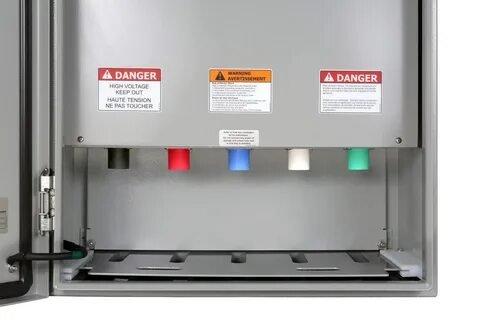
Connecting a generator to an existing electrical installation requires careful planning to protect connected equipment and maintain reliable power distribution. Incorrect connections, incompatible voltage levels, overloaded conductors, and unsecured cables can create serious electrical hazards. Power input panels provide a dedicated connection point that helps organize temporary power connections and supports safer generator integration.
Power input panels provide a designated interface for receiving electricity from an external source and supplying it to a connected electrical system. They are commonly installed on trailers, buses, temporary structures, and other facilities requiring temporary power. Their organized connection arrangements help reduce improvised wiring and simplify electrical connection procedures.
Without a dedicated connection point, temporary electrical installations may involve complicated cable arrangements and exposed connection points. Properly configured input panels provide designated connectors, protective enclosures, and organized cable access. These features help reduce accidental contact, connection confusion, and physical damage to electrical components during temporary power operations.
Generator connections require compatible electrical characteristics and correctly rated components. Power input panels help establish an organized interface between incoming power cables and the receiving electrical installation. However, they do not independently regulate voltage or prevent every electrical fault. Appropriate protective devices and correctly designed distribution equipment remain essential.
A reliable connection depends on compatible connectors, secure terminations, correct conductor sizing, and appropriate grounding. Poorly maintained connections can develop excessive resistance, overheating, or intermittent power interruptions. Dedicated input panels help technicians establish consistent connection arrangements while providing an enclosure that protects connection components from unnecessary physical exposure.
Cam-Lok connectors are widely used in temporary power applications because they provide dedicated connections for electrical conductors. Properly rated connectors help establish secure connections between compatible generator cables and input panels. Correct phase identification, conductor arrangement, and connector inspection are important for preventing incorrect connections and potential electrical damage.
Generator connections are frequently established outdoors, where rain, dust, moisture, and temperature changes can affect electrical equipment. An appropriately rated enclosure helps protect internal components and connection points against environmental exposure. NEMA 3R enclosures, for example, provide protection against rain, sleet, snow, and external ice formation under specified conditions.
Selecting a panel with the appropriate current rating is essential when connecting generator power. An undersized connection system can create overheating risks and operational problems when electrical demand exceeds equipment ratings. Evaluate the connected load, generator capacity, voltage, phase configuration, and continuous operating requirements before selecting the appropriate panel.
Smaller temporary installations may operate within 200A requirements, while larger facilities can require considerably higher electrical capacity. A properly rated panel helps ensure that connectors, busbars, conductors, and associated components are suitable for the intended current. Electrical professionals should verify the complete installation rather than relying exclusively on the panel's amperage label.
For installations requiring substantial electrical capacity, 400 amp power input panels provide a higher-capacity connection option. Roam Technologies offers configurations supporting single-phase and three-phase applications, with voltage options reaching 600 VAC depending on the selected model.
Large industrial operations, temporary facilities, and demanding electrical installations may require additional current capacity. Selecting a suitable configuration helps accommodate equipment requirements while maintaining compatibility with the supplying generator and receiving electrical infrastructure. Always verify conductor sizes, connector ratings, and available fault-current requirements before installation.
For applications requiring greater current capacity, 600 amp power input panels provide an option designed to support connections of up to 600 amps. These configurations use multiple bus-barred Cam-Lok connectors, allowing higher-capacity electrical connections when properly designed and installed.
Grounding and bonding are essential considerations when connecting temporary generator power. An appropriately designed grounding arrangement provides a path for fault current under specified conditions, helping protective devices operate as intended. Generator neutral bonding, grounding electrode requirements, and transfer equipment arrangements must be evaluated for the particular installation.
A power input panel should be integrated with suitable overcurrent protection, disconnecting arrangements, and other protective devices required by the electrical design. Circuit breakers, fuses, and ground-fault protection may be necessary depending on the application. These devices help address electrical faults and overload conditions that an enclosure alone cannot prevent.
Improper generator connections can send electricity back into utility distribution lines, creating serious risks for utility workers and equipment. Suitable transfer switches or approved interlocking arrangements help isolate electrical sources and prevent unintended backfeeding. Generator connections should always follow applicable National Electrical Code (NEC) requirements and be completed by qualified electrical professionals.
When evaluating power input panels, consider enclosure construction, connector protection, cable access restrictions, and grounding provisions. Lockable door hasps help restrict unauthorized access, while protective connector caps help keep unused connections covered. These features support safer equipment handling and help reduce unnecessary exposure to electrical components.
Cable access restriction arrangements are particularly useful when generator cables remain connected during operation. They help limit accidental or unauthorized cable disconnection after the enclosure door is closed and secured. Properly identified phase connections also help technicians recognize electrical arrangements during inspections and maintenance.
Before purchasing, compare amperage, voltage, phase configuration, connector types, cable compatibility, enclosure ratings, and applicable product certifications. Consider the installation environment and whether the panel will serve an indoor or outdoor application. Reviewing manufacturer documentation helps ensure that the selected configuration meets the actual electrical requirements.
Regular inspections should include checking connector condition, cable insulation, enclosure integrity, grounding connections, protective caps, and signs of corrosion or overheating. Any damaged components should be assessed and repaired by qualified personnel before the equipment returns to service.
Power input panels help support safer generator connections by providing dedicated electrical interfaces, organized cable arrangements, and protective enclosure features. When correctly selected and integrated with appropriate electrical protection, they can reduce connection-related risks and support reliable temporary power distribution.
However, equipment protection depends on the entire electrical installation, not simply the panel itself. Matching electrical ratings, maintaining proper grounding, preventing backfeeding, and following applicable safety requirements are essential for protecting connected equipment and maintaining dependable generator operations.