Indonesia
 English
 Arabic
 French
 Spanish
 Portuguese
 Deutsch
 Turkish
 Dutch
 Italiano
 Russian
 Romaian
 Portuguese (Brazil)
 Greek
Online Furniture Shopping in the UK: A Guide to Choosing the Right Furniture Store
Other |
2026-10-28 10:42:32
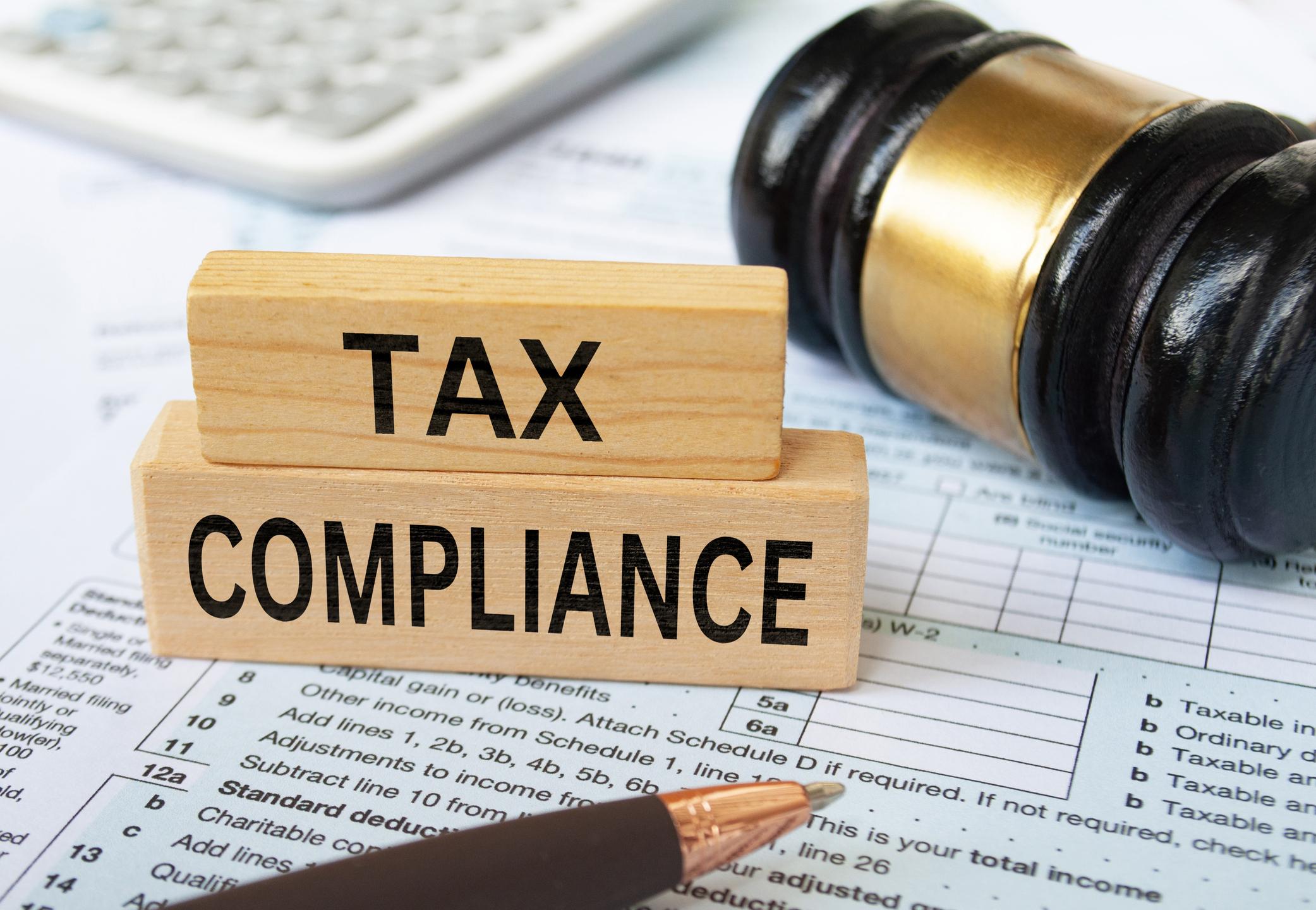
Managing taxes is an important responsibility for every business, regardless of its size or industry. From maintaining accurate financial records to meeting filing deadlines, companies must follow several tax regulations to operate smoothly. However, changing tax laws, complex reporting requirements, and administrative responsibilities can make this process challenging. This is where tax compliance services become valuable. Professional support helps businesses understand their tax obligations, prepare accurate returns, maintain proper documentation, and meet regulatory requirements without unnecessary complications.
Tax compliance is not simply about submitting tax returns before deadlines. It also involves maintaining transparency in financial activities, reporting income correctly, calculating applicable taxes, and keeping records that support every financial transaction. When these responsibilities are managed properly, businesses can reduce financial risks and focus more on their daily operations.
Every registered business is expected to follow the tax regulations applicable to its operations. These requirements may differ depending on the business structure, location, revenue, and industry.
Failure to meet tax obligations can result in financial penalties, interest charges, audits, and other legal complications. Even small reporting mistakes can create problems when financial information is reviewed by tax authorities.
A well-organized compliance process helps businesses maintain financial accuracy and avoid unnecessary issues.
Some important benefits include:
Reduced risk of penalties: Tax obligations are reviewed and managed according to applicable regulations.
Accurate financial reporting: Income, expenses, deductions, and tax liabilities are properly documented.
Better financial planning: Businesses gain a clearer understanding of their tax responsibilities.
Improved record management: Important financial documents are maintained for future reference.
Greater business confidence: Owners can make decisions with a better understanding of their financial position.
By taking a proactive approach, businesses can avoid last-minute tax preparation and maintain better control over their financial responsibilities.
Tax compliance involves several activities that must be completed throughout the financial year. These responsibilities are not limited to annual tax filing. Many businesses also need to submit periodic reports, maintain payroll information, and review their financial transactions.
Understanding these requirements can help business owners establish an effective compliance process.
Businesses must maintain accurate information about their earnings and operating expenses. Every financial transaction should be recorded correctly to ensure that reported income reflects actual business activity.
Expenses should also be categorized according to applicable accounting and tax rules. Supporting documents, such as invoices, receipts, and payment records, should be retained.
Proper financial documentation helps businesses:
Calculate taxable income more accurately.
Identify eligible business deductions.
Reduce discrepancies in financial statements.
Provide supporting evidence when requested by tax authorities.
Incomplete or incorrect records can make tax preparation more difficult and increase the possibility of reporting errors.
Tax filing deadlines vary depending on business structure, jurisdiction, and filing requirements. Missing an important deadline may result in penalties or additional interest charges.
Businesses should maintain a tax calendar that includes all relevant filing and payment dates.
A typical compliance calendar may include:
Annual business income tax returns.
Quarterly estimated tax payments, where applicable.
Payroll tax reporting and deposits.
Sales tax or VAT returns, where required.
Other industry-specific tax submissions.
Professional tax support can help businesses monitor these deadlines and prepare the required documentation in advance.
Businesses with employees must also manage payroll-related tax responsibilities. These may include calculating applicable deductions, withholding employee taxes, submitting employer contributions, and maintaining payroll records.
Incorrect payroll calculations can create financial and administrative problems for both employers and employees.
Payroll compliance generally involves:
Calculating employee wages and applicable deductions.
Withholding required taxes from employee payments.
Reporting payroll information to relevant authorities.
Maintaining accurate employee payment records.
Meeting payroll tax deposit and filing deadlines.
A structured payroll process helps businesses maintain accurate records and fulfill their employer responsibilities.
Managing tax responsibilities internally can become difficult as a company grows. More employees, additional transactions, different revenue sources, and changing regulations can increase the administrative workload.
Professional tax compliance support provides businesses with guidance and assistance throughout the tax reporting process.
Here are some ways professional assistance can make a difference.
Tax regulations can vary between states, countries, and business categories. Business owners may find it difficult to understand which rules apply to their operations.
Tax professionals review relevant requirements and help companies understand their filing responsibilities. They can also identify important regulatory changes that may affect business activities.
This guidance helps companies make informed decisions while maintaining compliance with applicable laws.
Accurate tax returns depend on reliable financial information. Before a return is submitted, financial records should be reviewed to identify missing information, incorrect entries, and potential inconsistencies.
A proper review may include:
Checking income statements and expense records.
Reviewing invoices and financial receipts.
Identifying missing transaction details.
Verifying relevant deductions and credits.
Comparing financial information with supporting documents.
When discrepancies are identified early, they can often be addressed before the filing process is completed.
Business owners already manage several responsibilities, including customer relationships, employees, marketing, and daily operations.
Handling tax documentation alongside these activities can consume valuable time.
With professional assistance, routine compliance tasks can be organized more efficiently. Financial information can be reviewed, filing requirements can be monitored, and relevant documentation can be prepared before deadlines.
This allows business owners to dedicate more attention to business development and operational performance.
Even well-established businesses can experience difficulties when managing their tax responsibilities. These challenges often arise because of poor recordkeeping, limited tax knowledge, or changes in business operations.
Understanding common problems can help companies take preventive measures.
Tax regulations are updated periodically to reflect changes in government policies and economic conditions. Businesses that rely on outdated information may unintentionally submit incorrect reports or overlook new obligations.
Regular reviews of applicable tax requirements are therefore important.
Professional guidance can help companies understand relevant updates and adjust their compliance procedures when necessary.
Missing invoices, incorrect expense categories, and inconsistent transaction records can create problems during tax preparation.
Financial information should be recorded throughout the year rather than collected only when a filing deadline approaches.
Businesses can improve documentation practices by:
Using organized accounting systems.
Keeping digital copies of important receipts.
Recording transactions regularly.
Reviewing financial statements each month.
Maintaining separate business and personal financial records.
These practices make financial information easier to access and verify.
Companies operating in different locations may have additional reporting responsibilities. Depending on their activities, they may need to consider state taxes, local taxes, sales taxes, or international tax requirements.
Managing several obligations requires proper coordination and an understanding of the rules that apply to each location.
A structured compliance strategy helps businesses track these responsibilities and reduce the possibility of missed submissions.
Selecting the right professional support is an important decision for any business. Not every provider offers the same level of experience, services, or industry knowledge.
Business owners should evaluate potential providers carefully before making a decision.
Consider the following factors:
1. Relevant Industry Experience
Choose a provider with experience handling tax requirements for businesses similar to yours. Industry knowledge can help identify common reporting challenges and relevant tax considerations.
2. Knowledge of Applicable Regulations
The provider should understand the tax rules that apply to your business structure and operating locations.
3. Clear Communication
Tax-related matters can involve complex financial terminology. A reliable professional should explain important requirements in simple language and provide clear guidance.
4. Accurate Record Management
Ask how financial documents are collected, reviewed, stored, and protected. Proper documentation is essential for effective compliance management.
5. Transparent Service Details
Understand which services are included, how deadlines are managed, and what additional support may be available when unexpected tax issues arise.
Choosing an experienced provider can make ongoing tax administration more organized and manageable.
Tax compliance should be treated as an ongoing business activity rather than a once-a-year responsibility.
Companies that maintain consistent financial practices are generally better prepared for reporting deadlines and regulatory reviews.
The following steps can help establish a more reliable process:
Maintain updated financial records: Record income and expenses regularly to prevent missing information.
Organize important documents: Keep invoices, receipts, payroll reports, and financial statements in accessible locations.
Review tax obligations regularly: Check whether changes in business activities have created additional tax responsibilities.
Monitor filing deadlines: Use a compliance calendar to track upcoming submissions and payments.
Work with qualified professionals: Seek guidance when tax requirements become complicated or unclear.
Review previous filings: Use earlier returns and financial reports to identify recurring errors or areas that need improvement.
These practices can help businesses develop a more consistent approach to financial management.
Good tax management contributes to more than regulatory compliance. It also supports financial transparency, operational stability, and responsible business planning.
When tax records are properly maintained, business owners can understand their financial position more clearly. They can identify potential liabilities, review operating expenses, and prepare for upcoming financial obligations.
Professional tax compliance services can also help businesses establish reliable reporting procedures that support their long-term operations.
For growing companies, this becomes particularly important. Expansion may introduce new employees, additional locations, different revenue streams, and more complex financial responsibilities. Without an organized compliance process, managing these changes can become difficult.
A consistent approach to tax reporting helps businesses prepare for growth while maintaining appropriate financial controls.
It is also important to remember that professional support does not automatically eliminate the possibility of an audit or guarantee that penalties will never occur. However, accurate documentation, timely reporting, and informed tax decisions can reduce avoidable compliance risks.
Tax responsibilities are an essential part of running a successful business. From maintaining accurate financial records to meeting filing deadlines, every compliance activity contributes to better financial management. Businesses that ignore these responsibilities may face unnecessary penalties, reporting complications, and administrative difficulties. By investing in professional tax compliance services, companies can receive guidance, organize their financial documentation, and manage applicable tax obligations more effectively. A proactive approach to tax compliance not only supports regulatory requirements but also creates a stronger foundation for sustainable business growth and long-term financial stability.