Indonesia
 English
 Arabic
 French
 Spanish
 Portuguese
 Deutsch
 Turkish
 Dutch
 Italiano
 Russian
 Romaian
 Portuguese (Brazil)
 Greek
Can Skin Type Affect Dark Lips Treatment Cost?
Health |
2026-09-25 10:27:02
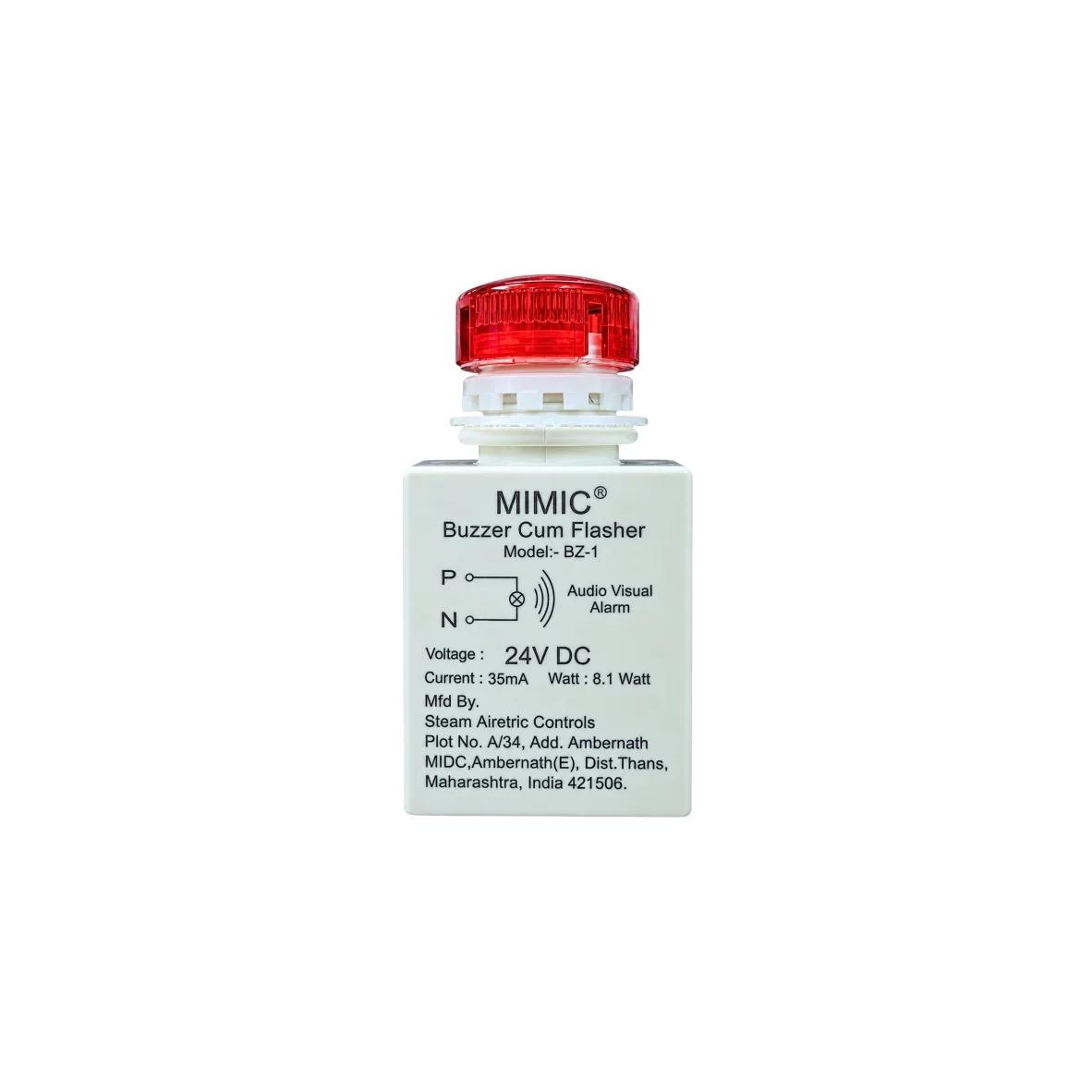
Industrial workplaces are often filled with moving machinery, electrical equipment, production activities, and continuous background noise. In such surroundings, it is important for operators to recognise when a machine or control system requires attention. An Audio visual alarm helps communicate selected operating conditions by combining an audible warning with a flashing visual indication.
Instead of relying only on sound or light, this type of warning system uses both methods to attract attention. It can be useful in manufacturing facilities, electrical control rooms, automation panels, and equipment monitoring areas where operators need to notice alerts while carrying out other tasks.
An audio visual alarm is a signalling arrangement that provides sound and visual indication when activated by a connected electrical circuit. The audible component may produce a buzzer or beeping sound, while the visual component uses a flashing light to make the alert noticeable.
In industrial applications, these devices are often connected to control circuits that activate them when a predefined condition occurs. For example, a machine stop signal, a process warning, or a selected electrical condition may trigger an alert.
The device itself does not identify the source of a problem. It communicates that the connected circuit has activated the warning. Operators may then refer to the control panel, display, or equipment status information to understand the reason.
A warning that uses only one method may not always be noticed. An operator could be looking away from a panel when an indicator activates, or background machinery noise could make an audible signal difficult to hear.
Combining sound and light offers two ways to attract attention.
The buzzer produces a sound that can alert personnel who are not looking directly at the equipment. Its effectiveness depends on the sound output, distance, background noise, and workplace layout.
The flashing light provides a visible signal that can help operators identify where an alert is active. Its usefulness depends on visibility, viewing angle, ambient lighting, and the location of the device.
When both indications operate together, personnel have an audible and visual reminder that a selected condition requires attention. This can be particularly useful in areas where operators move between workstations.
Electrical control panels: A warning device can be connected to a control circuit to indicate a selected electrical or equipment condition.
Industrial machinery: Machines may use audible and flashing indications to notify operators about a programmed stop, warning, or other operating event.
Production lines: On busy manufacturing floors, a combined signal can help draw attention to equipment that requires inspection.
Automation systems: Controllers and relay circuits can activate warning devices when predefined input conditions are met.
Equipment monitoring areas: Maintenance teams can use local warning signals to recognise that a monitored system needs attention.
The suitability of a particular device depends on its electrical rating, environmental protection, mounting arrangement, and intended function.
Before choosing an audio visual alarm, check the technical specifications rather than selecting a product based only on appearance.
Operating voltage: Confirm whether the control circuit uses AC or DC and select a compatible model.
Sound output: Consider the background noise and the distance from which the warning must be heard.
Light visibility: Check the light colour, flashing pattern, viewing angle, and installation position.
Mounting dimensions: Confirm the panel cut-out, body depth, and available installation space.
Environmental conditions: Review the protection rating and suitability for dust, moisture, vibration, and temperature.
Control compatibility: Make sure the device is suitable for the switching arrangement and electrical load.
A buzzer-cum-flasher combines an audible buzzer and a flashing light in one assembly. This arrangement can be useful when both warning signals are intended to activate together.
Mimic Products offers a range of buzzer-cum-flasher devices for electrical switchgear and industrial signalling applications. Different models are available for different electrical requirements, so users should check the individual product specifications before selecting a device.
The warning device should be installed according to its manufacturer's instructions and the electrical design of the panel. Before wiring work begins, the relevant supply must be isolated and electrical safety procedures followed by qualified personnel.
Position the unit where the light is not obstructed and the sound can be noticed under normal operating conditions. After installation, test both outputs through the intended control circuit. Routine inspections should check the housing, mounting, wiring, audible signal, and flashing function.
An Audio visual alarm can make selected equipment conditions more noticeable by combining sound and flashing light. Its effectiveness depends on correct voltage selection, appropriate placement, suitable control logic, and regular testing. When integrated into a properly designed warning arrangement, it can support communication between industrial equipment and the people responsible for monitoring it.