Indonesia
 English
 Arabic
 French
 Spanish
 Portuguese
 Deutsch
 Turkish
 Dutch
 Italiano
 Russian
 Romaian
 Portuguese (Brazil)
 Greek
Breast Lift Surgery With Implants: Benefits and Considerations
Health |
2026-11-03 06:44:34
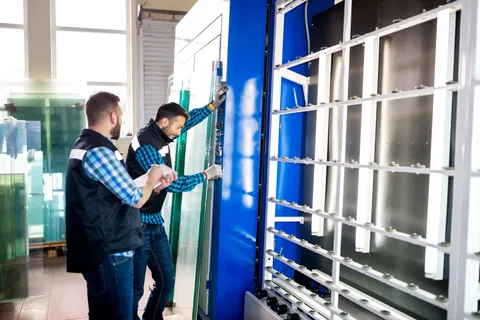
Aluminum window seal replacement can help address drafts, water leaks, dust entering through gaps, and reduced indoor comfort. Over time, the seals around windows and doors can become worn, brittle, flattened, or detached. When this happens, the window may no longer close tightly against the frame, allowing outside air and moisture to enter.
Replacing damaged seals can restore a better fit without necessarily requiring a complete window replacement. The first step is identifying the source of the problem and choosing the right replacement material for your window system.
A window seal is a material fitted around the window frame, sash, or glass assembly to help close gaps and limit unwanted air or water movement. The exact function depends on where the seal is installed.
For example, weatherstripping is commonly used between moving window components to create a tighter closure. Other sealing materials may be used around fixed glass or frame joints.
Aluminum windows are durable, but the seals and other components can still deteriorate through regular use, exposure to sunlight, temperature changes, and moisture.
Understanding which seal has failed is important because different locations require different repair methods.
If you notice air entering around a closed window, the weatherstripping may have become compressed, damaged, or detached. Gaps can also result from poor alignment or hardware that no longer pulls the window firmly into position.
Check whether the draft appears around the moving sash, the frame perimeter, or another joint. Identifying the location helps determine whether new weatherstripping is appropriate or whether the window needs adjustment.
Water entering around a window can indicate failed seals, blocked drainage channels, deteriorated perimeter sealant, or an installation problem.
Do not assume that replacing one strip of rubber will resolve every leak. Aluminum window systems often use drainage paths designed to direct water outside. Blocking these openings can make water accumulation worse.
If leakage continues, have the frame, joints, drainage openings, and surrounding installation inspected before deciding on a repair.
Worn seals can leave gaps that allow dust and some outside noise to enter. If a room becomes noticeably dustier near the window, inspect the weatherstripping and closing edges.
However, not every noise or dust problem comes from a failed seal. Poor window alignment, gaps around the frame, and other building openings can also contribute.
Rubber and other sealing materials can lose flexibility with age and exposure. You may notice cracked edges, flattened strips, sections pulling away from the frame, or material that no longer returns to its original shape.
A seal that has lost its elasticity may not create sufficient contact when the window closes. Replacing the affected section with a compatible material can help restore the fit.
If a window becomes difficult to close or latch, worn seals may be part of the problem, but they are not the only possible cause. Dirty tracks, damaged rollers, loose hardware, or frame misalignment can also affect operation.
Avoid forcing the handle or pushing the window shut with excessive pressure. Inspecting the hardware and seals together can help identify the actual fault.
The correct weatherstripping depends on the window design, the size of the gap, and the original sealing system.
Common options include:
Rubber or EPDM seals: Flexible materials often used in window and door systems, depending on the manufacturer's design.
Foam weatherstripping: Used in certain applications where the gap and operating conditions are suitable.
Brush seals: Often found in sliding systems where a brush-style strip helps reduce dust and air movement.
Specialised glazing gaskets: Designed to hold or seal glass within compatible frame systems.
These products are not interchangeable in every application. A strip that looks similar to the original may still have the wrong thickness, profile, or flexibility.
Before purchasing replacement material, measure the existing seal and check the manufacturer's specifications where available.
The exact process varies by window type, but a typical replacement involves several steps.
The technician checks the seal's condition, identifies where air or water is entering, and examines the frame and operating hardware. This helps distinguish a seal problem from a drainage or alignment issue.
The replacement material should match the window system's requirements. The technician may examine the existing strip, measure its dimensions, and check whether a specific profile is required.
The old seal is removed carefully to avoid damaging the aluminum frame or nearby components. Any residue is cleaned according to the requirements of the frame and replacement material.
The new seal is installed in the correct channel or position. It should sit evenly without stretching, bunching, or leaving gaps at the corners.
The window is opened and closed to check that it operates correctly. The installer also inspects the seal's contact with the frame and checks the original problem where practical.
If you need professional window seal and weatherstripping replacement, explain the symptoms and window type when requesting an assessment.
Some straightforward weatherstripping jobs may be suitable for someone with the correct measurements and a compatible replacement product. However, identifying the correct seal can be more difficult than removing the old material.
Professional assistance may be preferable when the window uses a specialised gasket, the glass must be removed, water is entering the building, or the frame appears misaligned.
For sliding windows and doors, the seal problem may also be connected to worn rollers or other hardware. Replacing seals without checking the rest of the system may leave the underlying issue unresolved.
Regular inspection can help you spot deterioration before it becomes a larger problem.
Clean window tracks and frame channels to remove accumulated dirt.
Inspect rubber seals for cracks, flattening, or loose sections.
Avoid harsh cleaning chemicals that may damage sealing materials.
Keep drainage openings clear where the manufacturer requires them to remain open.
Check whether windows close evenly and latch without excessive force.
Arrange an inspection if water continues entering after a repair.
The same principle applies to aluminum doors. Damaged aluminium door seals may also contribute to drafts and water entry, but the replacement profile must suit the specific door system.
Aluminum window seal replacement can improve the fit of a window when worn weatherstripping or a damaged gasket is responsible for the problem. Before replacing anything, identify where the gap or leak originates and confirm that the new material is compatible with the existing frame.
A careful inspection of seals, drainage, alignment, and hardware helps ensure that the repair addresses the underlying cause rather than only the visible symptom.